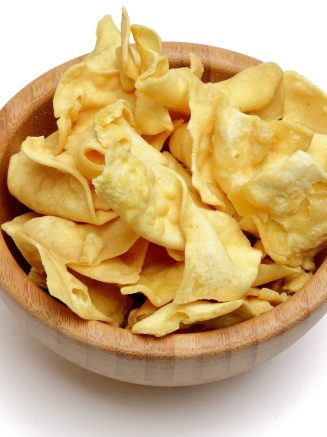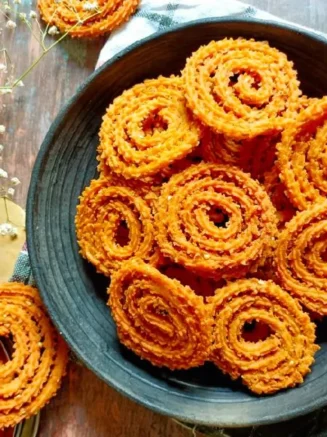

Walk into any Indian home around tea-time and you will almost certainly find something crisp, crunchy, sweet or spicy being passed around. Indian snacks are not just small bites to fill a gap between meals. They are part of daily life, festivals, family gatherings and even long train journeys.
Over the years, Indian snacks have travelled far beyond India’s borders. Today, you can easily buy Indian snacks UK supermarkets and online stores, as people across the world discover their bold flavours and satisfying textures.
So what exactly are traditional Indian snacks, and how are they made? Let’s explore their history, ingredients and the craft behind them.
Brief Overview of Indian Snacks
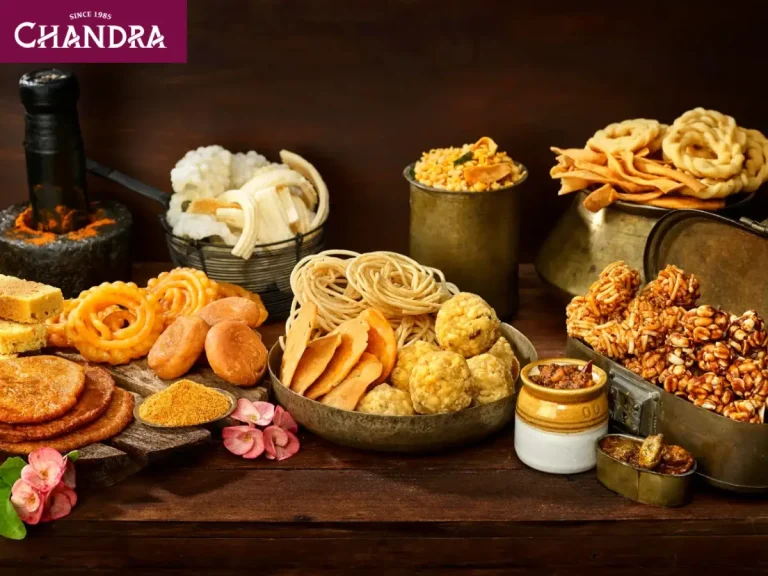
Indian snacks, often called “namkeen” for savoury varieties and “mithai” for sweet treats, come in countless shapes and flavours. Some are deep-fried and crispy. Others are roasted and lightly spiced. Some melt in the mouth, while others crunch loudly with every bite.
What makes Indian snacks special is balance. They combine spice, salt, sweetness, tanginess and texture in one small portion. A handful is rarely enough.
Why They Are Popular Globally
There are a few clear reasons why Indian snacks have gained global popularity:
- They offer bold, layered flavours.
- Many varieties are vegetarian.
- Several options fit modern dietary preferences, including Vegan Snacks UK consumers look for.
- They pair well with tea, coffee or soft drinks.
- They travel well and have a good shelf life.
As global food culture expands, more people are choosing to buy pani puri in UK stores and explore authentic regional flavours at home.
What Are Traditional Indian Snacks?
Definition
Traditional Indian snacks are small, ready-to-eat savoury or sweet food items that are typically enjoyed between main meals. They can be homemade or commercially prepared and are deeply rooted in regional traditions.
They are usually made from grains, lentils, spices, nuts and seeds, and are designed to be flavourful, portable and satisfying.
Regional Variety
India’s geography plays a huge role in shaping its snacks.
North India
In North India, you will often find wheat-based snacks, stuffed puris, crispy papdi, and chaat items like pani puri. These snacks are often tangy and spicy, with chutneys and yoghurt added for contrast.
South India
South Indian snacks frequently use rice flour and lentils. Murukku, mixture and various fried savoury spirals are popular. Flavours here can include curry leaves, mustard seeds and asafoetida.
West India
Western India, especially Gujarat and Maharashtra, is known for farsan and chevda. These are crunchy mixes made with flattened rice, lentils and nuts, lightly sweetened and spiced.
Each region brings its own character, ingredients and cooking techniques.
Savoury vs Sweet Snacks
Most people associate Indian snacks with savoury items like besan papdi, puris and chevda. These are often salty, spicy or tangy.
However, sweet snacks also play an important role. They may include fried dough coated in sugar syrup or nut-based bites prepared during festivals.
The beauty of Indian snacking culture lies in variety. You are never limited to one flavour profile.
Common Ingredients Used in Indian Snacks
Traditional Indian snacks rely on a handful of staple ingredients. The magic comes from how they are combined.
Gram Flour (Besan)
Besan is made from ground chickpeas and is one of the most widely used ingredients in Indian snacks. It provides structure, flavour and crispness.
Products like besan papdi are made using seasoned gram flour dough rolled thin and fried until golden. Besan also absorbs spices beautifully, which makes it perfect for savoury recipes.
Lentils
Lentils are used both whole and ground. They add protein, crunch and a nutty flavour. Roasted lentils are often mixed into chevda and other savoury blends.
Rice Flour
Rice flour gives snacks a light, delicate crispness. It is common in South Indian varieties and is often combined with spices and shaped before frying.
Spices
Spices are what truly define Indian snacks. Cumin, coriander, chilli powder, turmeric and black pepper are commonly used. Spice blending is a careful process, as balance matters more than heat.
Not all Indian snacks are extremely spicy. Many are mild and aromatic.
Nuts and Seeds
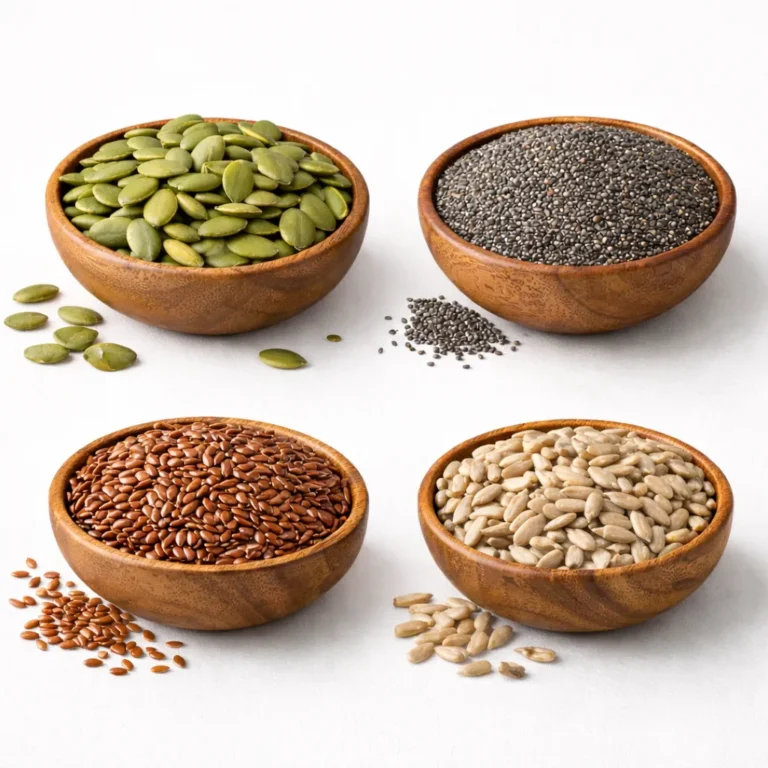
Peanuts, cashews, sesame seeds and pumpkin seeds are often included in savoury mixes. They add richness and texture while increasing nutritional value.
How Are Traditional Indian Snacks Made?
While recipes vary, the preparation process often follows similar steps.
Dough Preparation
For many snacks, the process begins with preparing dough. Gram flour or wheat flour is mixed with water, salt and spices. Sometimes oil or ghee is added for richness.
The dough must be kneaded to the right consistency. Too soft and the snack will absorb too much oil. Too firm and it may become hard rather than crisp.
Frying and Roasting Methods
Deep frying is a traditional method used to achieve a crispy texture. The oil temperature is crucial. If it is too hot, the outside browns quickly but the inside remains raw. If too cool, the snack absorbs oil and becomes heavy.
Some modern methods use roasting instead of frying. Roasting produces a lighter texture and can be preferred by those seeking Vegan Snacks UK options with less oil.
Spice Blending
Spices may be added directly into the dough or sprinkled after frying. In snack mixes like chevda, spices are tossed with roasted ingredients while still warm to ensure even coating.
Blending spices correctly is both skill and tradition. Many family recipes are passed down through generations.
Importance of Texture
Texture is everything. Indian snacks are meant to be crispy, crunchy or flaky.
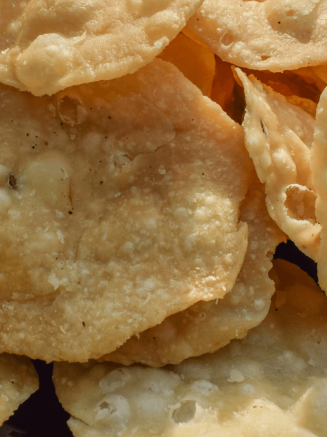
Puris puff when fried, papdi should snap cleanly, and chevda must remain light and airy. Moisture control during preparation and storage plays a key role in maintaining this texture.
Popular Examples of Traditional Indian Snacks
Let’s look at some widely loved examples.
Pani Puri
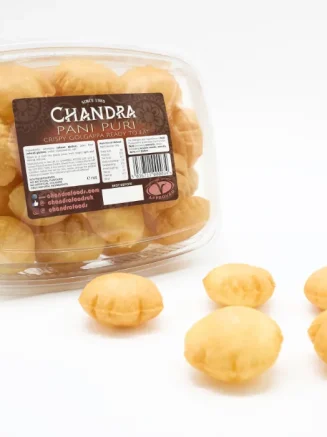
Pani puri is one of the most iconic street snacks. It consists of hollow, crispy puris filled with spiced mashed potatoes, chickpeas and tangy flavoured water.
The combination of crunch and spicy-sour liquid creates a burst of flavour. It is no surprise that many people now buy pani puri in UK to recreate this experience at home.
Papdi
Papdi are small, flat, crispy discs made from seasoned flour dough. They are used in chaat dishes or enjoyed on their own. Besan papdi is a popular savoury option known for its crunchy bite.
Puri Varieties
There are many types of puris. Some are plain and crispy, others are flavoured or stuffed. They can be eaten with chutneys, yoghurt or as part of a larger snack platter.
Chevda
Chevda is a savoury mix made from flattened rice, lentils, nuts and spices. It is light yet flavourful and perfect for tea-time.
Nuts and Savoury Mixes
Roasted peanuts, spiced cashews and mixed namkeen are staples in Indian households. They are easy to store and serve during gatherings.
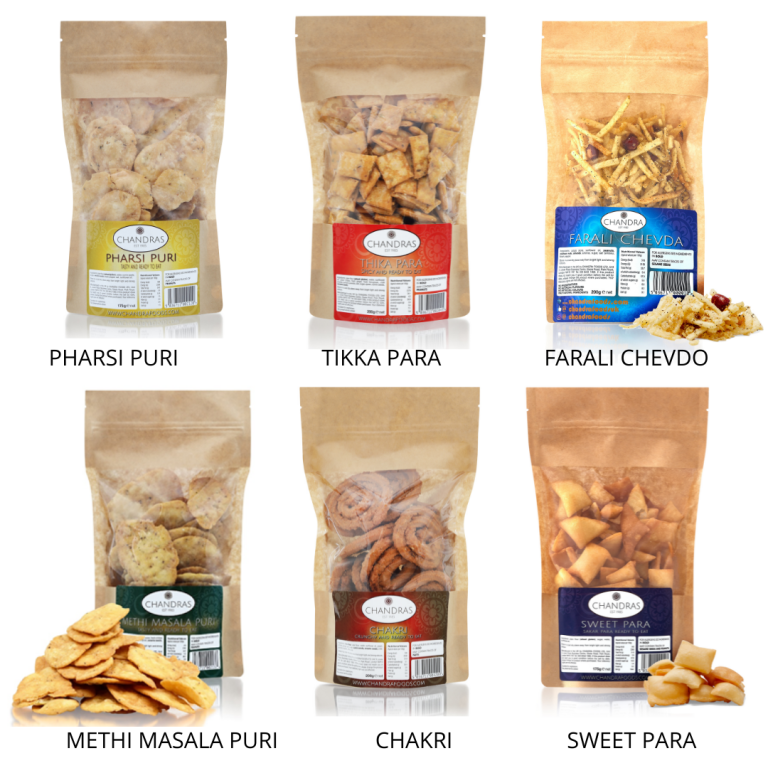
For those exploring options online, curated snack collections are available at platforms such as Chandra Foods’ snacks category page, which offers a range of traditional favourites.
How Quality and Hygiene Are Maintained
As demand for Indian snacks grows internationally, quality control becomes even more important.
Ingredient Sourcing
Reputable producers focus on sourcing fresh, high-quality ingredients. Clean grains, fresh spices and properly stored lentils are essential for flavour and safety.
Freshness
Snacks are prepared in batches to maintain freshness. Oil used for frying must be clean and regularly filtered to ensure taste and hygiene.
Storage
Moisture is the main enemy of crispy snacks. Proper storage in airtight containers prevents softening and preserves crunch.
Packaging Standards
Modern packaging uses sealed, food-grade materials that protect snacks during transport. This is especially important for customers who buy Indian snacks UK and expect the same quality as in India.
Clear labelling and expiry dates also help maintain transparency and consumer trust.
Why Traditional Indian Snacks Remain Popular Today
Cultural Connection
For many people, these snacks carry memories of childhood, festivals and family gatherings. Food is closely linked to identity, and Indian snacks preserve tradition in every bite.
Versatility
They fit into almost any occasion. Serve them with tea, offer them at parties, include them in festive hampers or enjoy them as a quick evening snack.
Global Availability
With online platforms and international shipping, traditional Indian snacks are now easily accessible worldwide. Whether someone is looking for besan papdi or Vegan Snacks UK options, availability is no longer limited by geography.
What this really means is simple: tradition adapts. While recipes remain rooted in culture, production methods evolve to meet global standards.
Frequently Asked Questions
1. What are the most popular Indian snacks?
Some of the most popular include pani puri, papdi, puris, chevda and various namkeen mixes made from lentils and nuts.
2. Are Indian snacks always spicy?
No. While some are spicy, many are mild or slightly sweet. Spice levels vary by region and recipe.
3. What is besan used for in Indian snacks?
Besan, or gram flour, is used to make dough for items like besan papdi and sev. It provides structure and crispness.
4. How are crispy snacks made?
Crispy snacks are usually achieved through controlled frying or roasting. Proper dough consistency, correct oil temperature and moisture control are key factors.
5. How should Indian snacks be stored?
They should be kept in airtight containers away from moisture and direct sunlight. Proper storage maintains freshness and crunch.