
There’s a moment most of us recognise – that 3pm slump where your energy dips, your focus blurs, and your hand reaches instinctively for something to eat. A biscuit. A chocolate bar. A bag of crisps. It’s familiar, and it’s understandable. But what if that same instinct, redirected just slightly, could be doing extraordinary things for your heart, your brain, your skin, and your long-term health?
That redirection starts with nuts.
Almonds, cashews, and walnuts have been part of human diets for thousands of years – long before we had the nutritional science to explain why they made us feel so good. Today, we do have that science, and it’s compelling. These three varieties in particular are among the most nutrient-dense foods on the planet, offering a concentrated hit of healthy fats, plant-based protein, essential minerals, and antioxidants in every small handful.
For UK shoppers who’ve started looking for premium nuts online in the UK, this is also great timing. The rise of quality online food retailers means you no longer have to settle for stale supermarket options sitting under fluorescent lights for weeks. You can now have freshly sourced, carefully stored, premium-grade nuts delivered directly to your door – and that difference in freshness makes a genuine difference in taste and nutrition.
Let’s break it all down.
Why Nuts Deserve More Credit Than They Get
For years, nuts were unfairly vilified. High in fat and calories, they were lumped in with “foods to avoid” by low-fat diet culture. That narrative has been comprehensively dismantled by modern nutritional research.
The fats in nuts – primarily monounsaturated and polyunsaturated fatty acids – are not just “not harmful.” They are actively beneficial. They help reduce LDL (bad) cholesterol, support cardiovascular function, and play a critical role in brain health. Omega-3 fatty acids, abundant in walnuts especially, are linked to reduced inflammation, improved mood, and a lower risk of chronic disease.
Beyond fats, nuts offer fibre that feeds healthy gut bacteria, plant-based protein for muscle repair and satiety, and a rich array of micronutrients – magnesium, zinc, copper, iron, vitamin E – that many people in the UK are quietly deficient in without realising it.
The key, as with most things in nutrition, is quality and consistency. Eating a handful of premium, properly stored nuts daily is far more valuable than eating low-grade, overly salted, or rancid nuts occasionally. That’s why sourcing matters – and why more health-conscious consumers are turning to healthy nuts delivery UK services that prioritise freshness and minimal processing.
Almonds: The Everyday Powerhouse
If there’s one nut that deserves to be on every British kitchen counter, it’s the almond. Versatile, satisfying, and extraordinarily nutrient-rich, almonds are the kind of food nutritionists reach for when they want a single ingredient that does multiple jobs well.
Per 100g, almonds contain approximately:
- 575 calories – energy-dense in the best possible way
- 21g of protein – one of the highest protein contents of any nut
- Monounsaturated fats – the same heart-healthy fat type found in olive oil
- High levels of vitamin E – a powerful antioxidant that protects cells from oxidative damage
- Significant magnesium – essential for muscle function, sleep quality, and blood sugar regulation
- Calcium – particularly valuable for bone health, especially in plant-based diets
The vitamin E content alone makes almonds worth eating. Most UK adults don’t get enough of this fat-soluble vitamin, which plays a critical role in immune function and skin health. Just a 30g handful of almonds provides nearly half your recommended daily intake.
There’s also strong evidence linking regular almond consumption to improved blood sugar control. The combination of fibre, healthy fat, and protein slows glucose absorption, making almonds a particularly smart snack for anyone managing blood sugar levels or looking to avoid energy spikes and crashes.
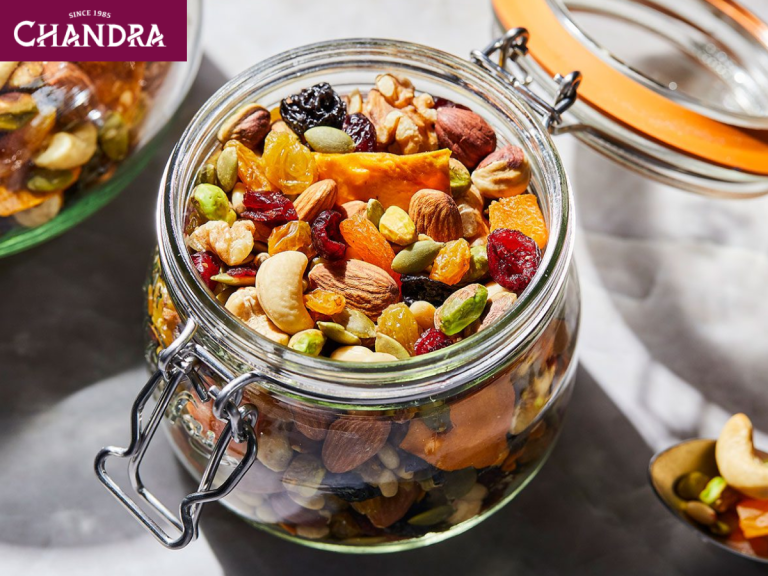
How to eat them: Raw almonds make a brilliant desk snack. Soak them overnight and they become softer and easier to digest. Chop and scatter over porridge or Greek yoghurt in the morning. Blitz into almond butter and spread on rye toast. Stir into homemade trail mix with dried fruit and dark chocolate chips for a genuinely nourishing on-the-go option.
Cashews: Creamy, Comforting, and Underestimated
Cashews occupy a slightly different nutritional space to almonds – lower in fibre, creamier in texture, and with a flavour profile that works beautifully in both sweet and savoury cooking. They’re the nuts that people who “don’t like nuts” often love, which makes them a fantastic entry point into building a nut-rich diet.
Per 100g, cashews provide:
- 553 calories
- 18g of protein
- Predominantly monounsaturated fats – gentle on digestion and supportive of heart health
- Copper – a mineral crucial for energy production and iron absorption
- Magnesium – supporting nerve function and healthy sleep
- Iron – particularly relevant for women and vegetarians who may struggle to maintain adequate levels
One thing that sets cashews apart is their copper content. Copper is a trace mineral that doesn’t get nearly enough attention, yet it’s essential for forming collagen, maintaining healthy bones, and supporting the immune system. Cashews are one of the best dietary sources available.
Their natural creaminess also makes cashews uniquely useful in the kitchen. Soaked and blended, they create a silky base for dairy-free sauces, soups, and desserts. Ground raw cashews are used widely in vegan and plant-based cooking as a substitute for cream – and the result is genuinely luxurious.
How to eat them: Snack on a small handful between meals to sustain energy without spiking blood sugar. Add to stir-fries for texture and protein. Blend soaked cashews with garlic and nutritional yeast for a ridiculously good dairy-free pasta sauce. Mix into smoothies for a creamier consistency and added staying power.
When you order premium nut mix UK options online, cashews are almost always included – and rightly so. Their broad appeal and nutritional value make them a staple in any well-rounded nut selection.
Walnuts: The Brain Food You’re Probably Not Eating Enough Of
If almonds are the everyday workhorse and cashews are the crowd-pleaser, walnuts are the specialists. No other commonly eaten nut comes close to walnuts in terms of omega-3 fatty acid content – and that single fact has enormous implications for brain health, cardiovascular health, and inflammation management.
Per 100g, walnuts offer:
- 654 calories – the highest calorie density of the three
- 15g of protein
- Polyunsaturated fats, particularly ALA (alpha-linolenic acid) – the plant-based omega-3 that the body can partially convert to EPA and DHA
- Vitamin B6 – supporting neurotransmitter production and mood regulation
- Magnesium and copper – contributing to energy metabolism and bone health
- Ellagitannins – unique antioxidant compounds with emerging anti-inflammatory research behind them
The connection between walnut consumption and brain health is one of the more fascinating areas of nutritional science. Multiple studies have found associations between regular walnut intake and improved cognitive performance, better memory, and reduced risk of age-related mental decline. Some researchers believe the unique combination of omega-3s, polyphenols, and vitamin E in walnuts works synergistically to protect neural tissue in a way that individual supplements simply can’t replicate.
Walnuts are also among the best dietary sources of antioxidants overall – outranking most other nuts and many fruits. These antioxidants help neutralise free radicals, reducing cellular damage that contributes to ageing and chronic disease.
How to eat them: Walnuts are brilliant in baking – banana walnut bread being a classic for good reason. Crush and stir into overnight oats. Add to a cheese board for texture and nutritional balance. Toss through a rocket and pear salad with a light vinaigrette. Or simply eat them as they come, in small quantities – their richness means a little goes a long way.
The Freshness Factor: Why Sourcing Matters
Here’s something most articles on nuts don’t tell you: nuts go rancid. The very healthy fats that make them so beneficial are also sensitive to heat, light, and air. When exposed to these elements over time, those fats oxidise – which doesn’t just affect flavour (producing that unpleasant, stale bitterness you might recognise from old supermarket bags), it also reduces nutritional value and introduces compounds that may actually be harmful when consumed regularly.
This is precisely why the sourcing conversation matters. Buying premium nuts online in the UK from a reputable supplier who stores products correctly, rotates stock frequently, and uses proper packaging can meaningfully improve the quality of what you’re actually eating.
Look for suppliers who:
- Store nuts in cool, controlled environments before dispatch
- Use resealable, airtight packaging
- Provide clear best-before dates with reasonable shelf life remaining
- Source from traceable, quality-controlled origins
- Offer variety – raw, roasted, unsalted, and lightly seasoned options
Chandra Foods, for instance, offers a carefully curated nuts selection focused on quality and freshness – an ideal source if you want the genuine nutritional benefit of premium nuts rather than the diminished return of supermarket alternatives.
Building Nuts Into Your Daily Routine
The good news about incorporating almonds, cashews, and walnuts is that the recommended portion – around 30g per day – is small enough to be effortless. That’s roughly a small palmful, or about 20 almonds, 15 cashews, or 10 walnut halves.
Some simple, sustainable ways to build the habit:
- Morning: Add chopped walnuts to overnight oats or porridge; stir almond butter into your smoothie
- Mid-morning: Keep a small airtight jar of mixed nuts at your desk as your default snack
- Lunch: Scatter toasted cashews over a salad or grain bowl for protein and crunch
- Afternoon: Replace the biscuit with a handful of almonds and a piece of fruit – the fat and fibre combination keeps you full through to dinner
- Dinner: Use crushed walnuts as a coating for baked salmon; add cashews to curries and stir-fries
- Baking: Incorporate all three into homemade granola, energy balls, or banana bread
The variety keeps things interesting, and rotating between the three means you’re drawing on a broader range of nutrients rather than over-relying on any single source.
A Simple, Powerful Shift
The gap between knowing something is good for you and actually doing it consistently is where most health intentions fall apart. What makes nuts different is the sheer convenience. There’s no preparation required. No cooking, no cleaning up. Just a small portion, eaten as they are or added effortlessly to meals you’re already making.
Ordering your almonds, cashews, and walnuts online – particularly through a healthy nuts delivery UK service that guarantees freshness – removes even the friction of remembering to pick them up at the shops. Your supply arrives, it stays fresh in your pantry, and eating well becomes a default rather than an effort.
That’s a small change in routine with a genuinely meaningful return. Better energy. Sharper focus. Healthier cholesterol. A diet that quietly works harder for you, day by day.
Sometimes the most powerful shifts really are that simple.
For a carefully sourced selection of premium almonds, cashews, and walnuts, explore Chandra Foods’ nuts collection – freshness-focused and delivered across the UK.