
Snacking gets a bad reputation. People often blame it for weight gain, low energy and sugar crashes. But here’s the thing. Snacking itself is not the problem. The real issue is what we choose to eat between meals.
When chosen wisely, healthy snacks can stabilise blood sugar, prevent overeating at main meals and support overall wellbeing. In busy modern life, where many of us work long hours or juggle family responsibilities, small balanced bites can make a real difference.
The goal is not to snack less. It is to snack smarter.
Why Choosing Healthy Snacks Matters
Most people snack at least once a day. For working professionals, it might be something grabbed during a short break. For families, it could be after school. For fitness-focused individuals, it may be pre- or post-workout.
Snacks fill the gaps between meals. If those gaps are filled with high-sugar biscuits or heavily processed crisps, energy rises quickly and drops just as fast. Over time, that pattern can affect mood, concentration and long-term health.
On the other hand, healthy snacks provide steady energy, essential nutrients and better appetite control. They support rather than sabotage daily routines.
What Makes a Snack Healthy?
A snack is not healthy just because it looks small or is labelled as “light”. Let’s break down what actually matters.
Balanced Nutrients
A healthy snack should include a balance of:
- Protein
- Fibre
- Healthy fats
This combination slows digestion slightly, keeps you fuller for longer and prevents sharp blood sugar spikes.
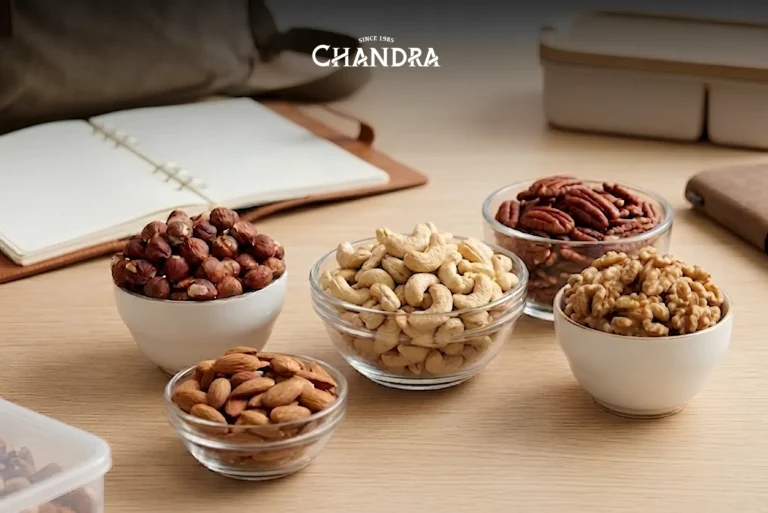
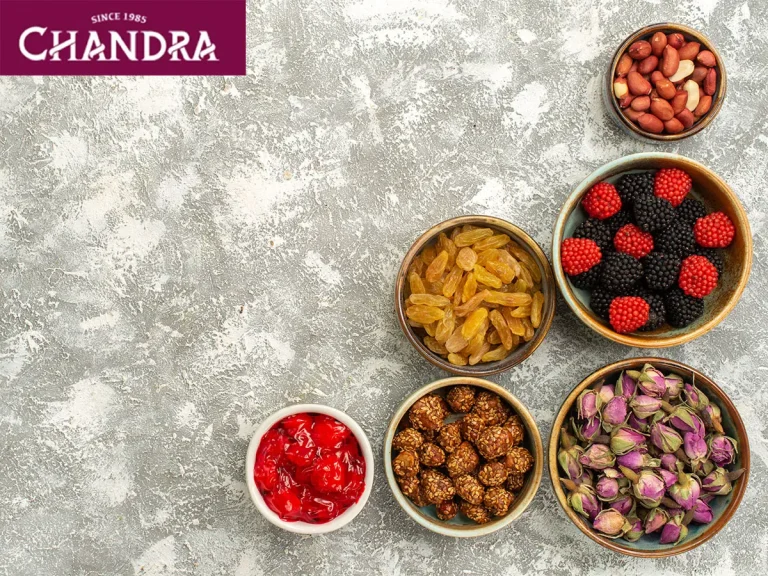
For example, a handful of nuts provides protein and healthy fats. Pairing fruit with yoghurt adds fibre and protein together.
Natural Ingredients vs Processed
The closer a snack is to its natural form, the better.
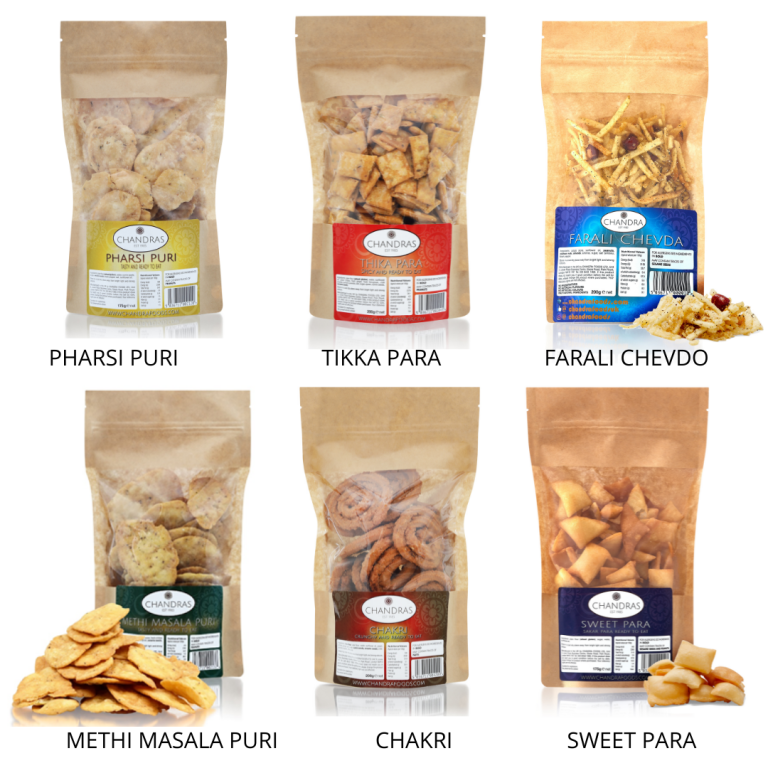
Whole nuts, seeds, roasted chickpeas and minimally processed Indian snacks UK shoppers can find in trusted stores are generally better than ultra-processed products filled with artificial flavourings and preservatives.
Reading the ingredient list helps. If it is long and full of unfamiliar chemical names, think twice.
Portion Control
Even healthy foods can become unhealthy if eaten in large quantities.
Nuts are nutritious but calorie-dense. Dried fruit is rich in fibre but also concentrated in natural sugars. A sensible portion is key.
A small bowl or measured handful is usually enough. Eating straight from a large packet often leads to overeating without noticing.
Key Nutrients to Look For
When choosing healthy snacks, certain nutrients deserve special attention.
Protein
Protein helps repair tissues and keeps you feeling satisfied. It is especially important for:
- Growing children
- Active adults
- People aiming to manage weight
Good snack sources include:
- Nuts and seeds
- Roasted lentils
- Yoghurt
- Chickpeas
Protein slows digestion, which means fewer cravings later in the day.
Fibre
Fibre supports digestion and helps maintain steady blood sugar levels.
Snacks rich in fibre include:
- Whole grains
- Seeds
- Fresh fruit
- Roasted pulses
Fibre also contributes to fullness, reducing the temptation to reach for extra portions.
Healthy Fats
Healthy fats are not the enemy. In fact, they are essential for brain health and hormone balance.
Sources include:
- Almonds
- Walnuts
- Pumpkin seeds
- Olive oil-based snacks
Products made using almond flour UK consumers often look for can also provide beneficial fats and protein compared to refined white flour options.
Vitamins and Minerals
Micronutrients matter just as much as macronutrients.
Nuts provide magnesium. Seeds contain zinc. Lentils offer iron. Choosing a variety of snacks ensures you receive a broad nutrient range.
Healthy Snack Options for Different Lifestyles
Not everyone snacks for the same reason. Your lifestyle shapes your needs.
For Working Professionals
Office environments often encourage convenience snacking. Vending machines and sugary biscuits are common.
Better choices include:
- Roasted chickpeas or lentil mixes
- A small portion of nuts
- Fruit paired with a protein source
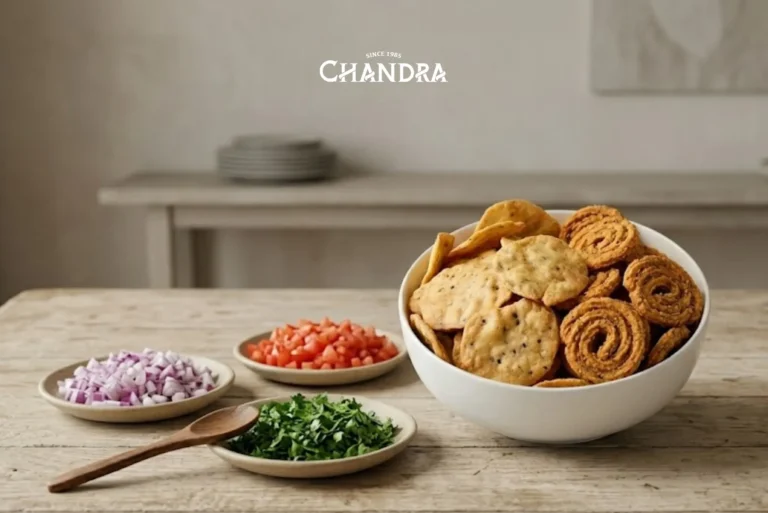
- Lightly spiced Indian snacks UK professionals can carry easily to work
The key is preparation. Keeping healthy options in your desk drawer prevents last-minute unhealthy choices.
For Families
Children and teenagers need regular fuel for growth and learning.
Healthy snack ideas include:
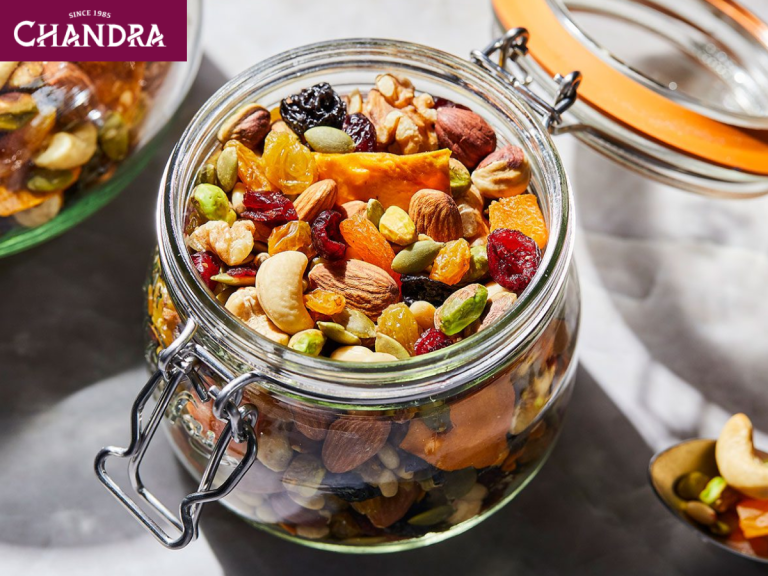
- Homemade trail mix with nuts and seeds
- Roasted makhana (fox nuts)
- Wholegrain crackers with hummus
- Mild healthy vegan snacks suitable for all ages
Making snacks visually appealing helps younger children engage more positively with nutritious food.
For Fitness-Focused Individuals
Those who exercise regularly have slightly different requirements.
Before workouts, lighter snacks such as fruit with a few nuts can provide quick energy.
After workouts, protein becomes more important. Roasted pulses, yoghurt or nut-based options can support muscle recovery.
Balanced snacking prevents extreme hunger, which often leads to overeating later.
Common Snacking Mistakes to Avoid
Even with good intentions, mistakes happen.
Overeating
Snacks are meant to bridge meals, not replace them entirely.
Eating large portions frequently can lead to excessive calorie intake, even if the food is considered healthy.
High Sugar Snacks
Many products marketed as “healthy” contain high levels of added sugar.
Granola bars, flavoured yoghurts and packaged snacks may appear nutritious but can contain more sugar than expected.
Always check the nutritional label.
Misleading Labels
Words like “natural”, “baked” or “low fat” can create a false sense of healthiness.
Low-fat products often compensate with added sugar. Baked snacks may still be highly processed.
Reading both ingredient lists and nutrition panels provides a clearer picture.
How to Build a Healthy Snacking Routine
Consistency matters more than perfection.
Timing
Snacking works best when planned.
Mid-morning and mid-afternoon are common times when energy dips. Eating something balanced at these moments can prevent extreme hunger before lunch or dinner.
Snacking late at night out of boredom is less beneficial.
Balanced Combinations
Combining food groups improves nutritional value.
For example:
- Fruit plus nuts
- Yoghurt plus seeds
- Roasted pulses plus a small portion of dried fruit
Balance keeps energy stable and cravings under control.
Storage Tips
Keeping snacks fresh makes them more appealing.
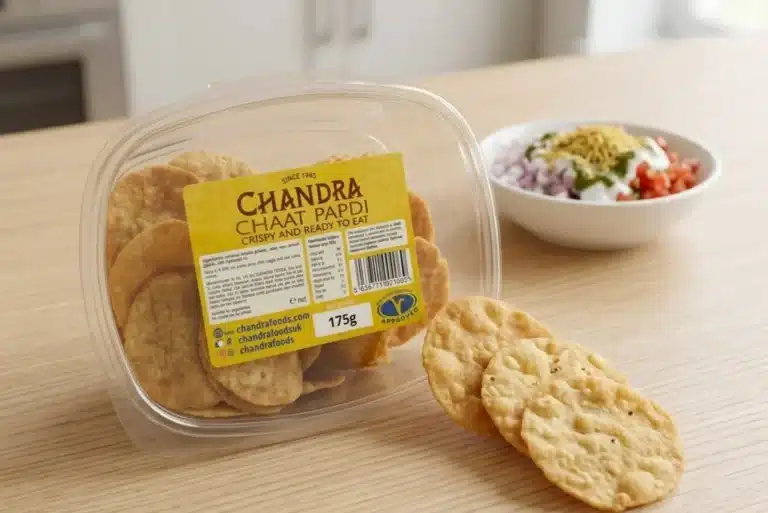
Store nuts and seeds in airtight containers. Keep dry snacks in cool, dry places. If buying packaged items from trusted sources such as Chandra Foods, ensure they are sealed properly and consumed before expiry dates.
Planning and proper storage reduce food waste and support healthier choices.
Conclusion
Choosing healthy snacks is not about strict dieting or removing enjoyment from food. It is about understanding what your body needs and responding thoughtfully.
A balanced snack contains protein, fibre and healthy fats. It uses natural ingredients, respects portion sizes and fits into your lifestyle.
Whether you prefer nuts, roasted pulses, healthy vegan snacks or lightly spiced Indian snacks UK stores now offer widely, the principle remains the same. Quality matters. Balance matters. Awareness matters.
Small choices, repeated daily, shape long-term health. Snacking wisely is one of the simplest ways to support your wellbeing without drastic changes.
Frequently Asked Questions
1. What are the best healthy snacks for everyday use?
Snacks that combine protein, fibre and healthy fats are ideal. Examples include nuts, roasted chickpeas, yoghurt with seeds and wholegrain options.
2. Are healthy vegan snacks nutritious?
Yes, many healthy vegan snacks provide excellent sources of fibre, plant protein and healthy fats. The key is choosing minimally processed options.
3. How often should I snack?
It depends on your hunger levels and daily routine. Many people benefit from one or two balanced snacks between main meals.
4. Is it better to avoid snacks completely?
Not necessarily. Skipping snacks can lead to excessive hunger and overeating later. Balanced snacking can support energy and portion control.
5. How can I avoid overeating snacks?
Measure portions rather than eating directly from large packets. Choose nutrient-dense foods that promote fullness and avoid high-sugar options that trigger cravings.