
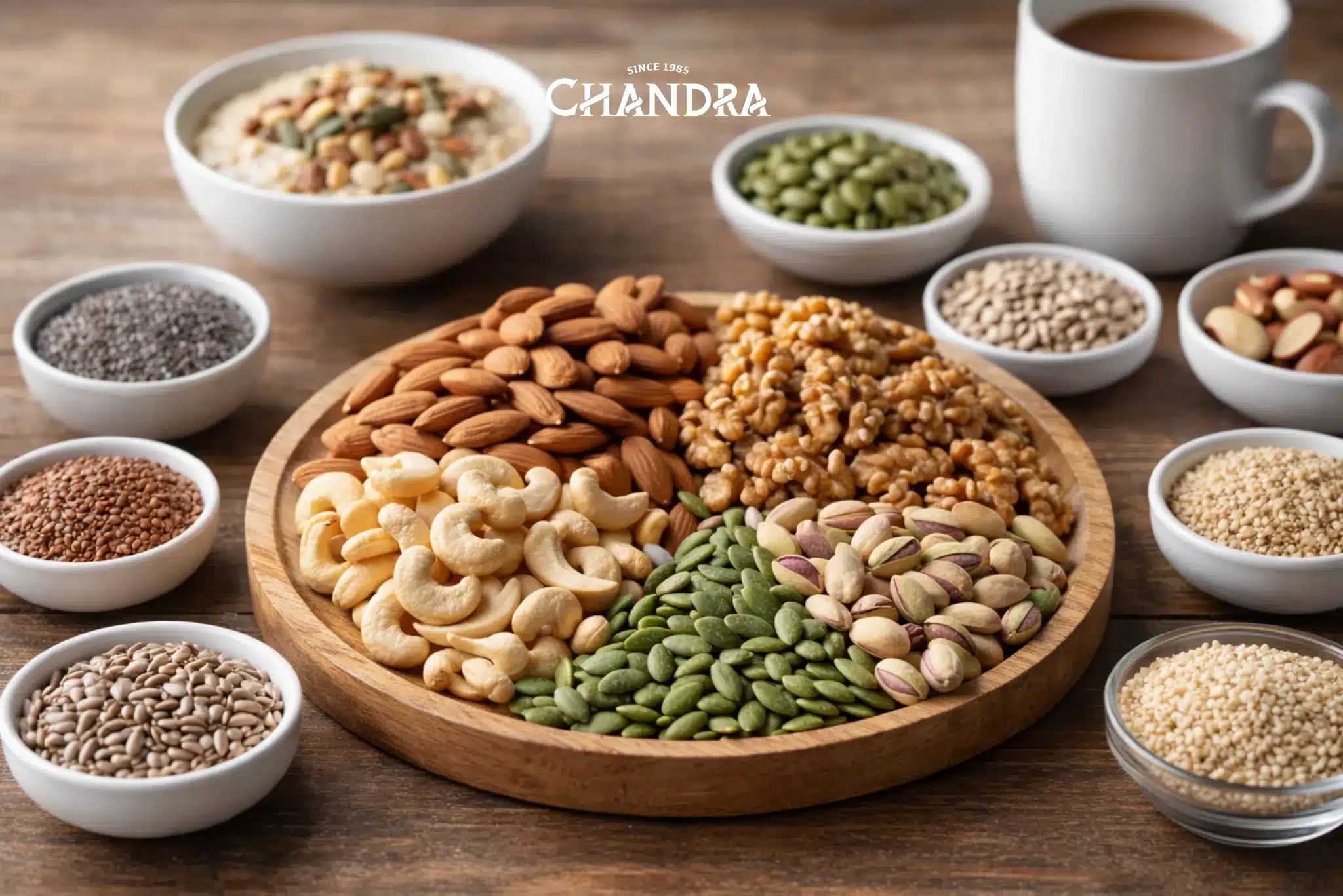
If you live in the UK and are trying to eat better, you’ve probably had that moment where you stare at the fridge after a long day and think, “I need something quick, but I don’t want to undo my healthy eating.” Nuts and seeds are one of the easiest answers to that problem: they’re portable, naturally nutrient-dense, and need almost no preparation.
Nutrition experts regularly highlight nuts and seeds as everyday “power foods” because they provide a unique combination of healthy fats, plant protein, fibre, vitamins, and minerals in a very small serving. Whether you sprinkle them over porridge, blend them into smoothies, or enjoy them as a mid‑afternoon snack, they can quietly transform the quality of your diet.
In this guide, we’ll look at 10 of the healthiest nuts and seeds UK eaters can easily include in their routines, explain key nutrients and health benefits, and share simple ways to use them day‑to‑day—without complicated recipes or expensive superfood trends.
Why Nuts and Seeds Are Considered “Superfoods”
Nuts and seeds often get called “superfoods” for good reason. Across many studies, eating a small daily portion has been linked with better heart health, lower risk of certain diseases, and improved overall longevity.
Key reasons they stand out
- Healthy fats: They are naturally rich in monounsaturated and polyunsaturated fats that help support heart health and healthy cholesterol levels.
- Plant-based protein: Nuts and seeds provide protein without the saturated fat found in many animal sources, helping with satiety and muscle repair.
- Fibre and antioxidants: Their fibre supports digestion and blood sugar balance, while antioxidants help protect cells from everyday oxidative stress.
- Steady energy: The mix of fat, protein, and fibre makes them perfect for maintaining energy between meals, avoiding the blood‑sugar crashes that often follow sugary snacks.
Large analyses suggest that around 20–30 g of nuts per day—a small handful—can significantly lower the risk of heart disease and other chronic conditions. For most adults, this is a realistic daily nuts intake UK target that fits easily into normal eating habits.
How to Add Nuts and Seeds to Your Daily Diet
Before we dive into the list, it helps to think about nuts and seeds benefits in practical terms: how do you actually use them?
Easy everyday ideas
- Breakfast: Stir nuts or seeds into porridge, overnight oats, Greek yoghurt, or cereal.
- Smoothies: Blend a spoonful of seeds (like chia or flax) or a handful of nuts into smoothies for extra creaminess and staying power.
- Salads and bowls: Sprinkle toasted seeds or chopped nuts over salads, grain bowls, or roasted vegetables for crunch.
- Baking and cooking: Use ground nuts and seeds in breads, muffins, energy balls, or as a coating for fish or tofu.
- Healthy snacks: Keep a small jar of mixed nuts and seeds at your desk or in your bag as a healthy snacks UK alternative to crisps or chocolate.
Once you start using them, it becomes easy to build your own mix of the healthy nuts and seeds UK shoppers have access to year‑round.
10 Healthiest Nuts and Seeds for Daily Nutrition
Below are 10 of the best nuts for health UK readers can enjoy regularly. Each one includes key nutrients, core health benefits, and simple serving ideas.
1. Almonds
Key nutrients
Almonds are particularly rich in vitamin E, magnesium, healthy fats, and plant protein.
Health benefits
- Support heart health by providing vitamin E and unsaturated fats.
- Help maintain steady energy and blood sugar when used in place of refined carbs.
- Contribute to healthy skin thanks to their antioxidant vitamin E content.
Simple ways to eat
Stir a small handful into porridge, yoghurt, or trail mix, or enjoy them as a mid‑morning snack instead of biscuits. For more variety, you can explore other nut options in the same family of healthy nuts and seeds.
2. Walnuts
Key nutrients
Walnuts stand out for their plant‑based omega‑3 fatty acid ALA, along with fibre and antioxidants.
Health benefits
- Support brain health and cognitive function thanks to omega‑3s and polyphenols.
- May help reduce inflammation and support heart health.
Simple ways to eat
Roughly chop walnuts and scatter them over salads, porridge, or roasted vegetables, or pair a few halves with fruit for a balanced snack.
3. Cashews
Key nutrients
Cashews provide magnesium, iron, zinc, and healthy monounsaturated fats.
Health benefits
- Support bone and nerve health through their magnesium content.
- Offer steady energy by combining fats, protein, and carbohydrates in one bite.
Simple ways to eat
Use cashews in stir‑fries, curries, and noodle dishes, or enjoy a small handful with fresh fruit as an afternoon pick‑me‑up.
4. Pistachios
Key nutrients
Pistachios are rich in protein, fibre, potassium, and antioxidants.
Health benefits
- Can support heart health by improving blood lipids and certain cardiometabolic markers.
- Their combination of protein and fibre can help with appetite control and weight management.
Simple ways to eat
Crack open a small serving as a mindful snack, sprinkle roughly chopped pistachios over salads, or use them as a colourful topping for yoghurt and desserts. If you enjoy whole, in‑shell nuts, products such as pistachios in shell can make portion control easier because you snack more slowly.
5. Pumpkin Seeds
Key nutrients
Pumpkin seeds (pepitas) offer magnesium, zinc, protein, and beneficial plant compounds.
Health benefits
- Support immune function and heart health through their magnesium and zinc content.
- May help with sleep and relaxation due to magnesium and tryptophan.
Simple ways to eat
Toast them lightly and sprinkle over soups, salads, or roasted vegetables, or mix into homemade granola for extra crunch.
6. Sunflower Seeds
Key nutrients
Sunflower seeds provide vitamin E, selenium, and healthy fats.
Health benefits
- Support skin health and cell protection thanks to vitamin E and selenium’s antioxidant roles.
- Contribute to heart health as part of a diet rich in unsaturated fats and fibre.
Simple ways to eat
Add a spoonful to muesli or overnight oats, mix into energy balls, or scatter over salads and grain bowls for a nut‑free crunch.
7. Chia Seeds
Key nutrients
Chia seeds are high in fibre, plant‑based omega‑3 (ALA), calcium, and magnesium.
Health benefits
- Their gel‑forming fibre supports digestion, helps keep you fuller for longer, and can benefit heart health and cholesterol levels.
- Offer an accessible omega‑3 source for people who don’t eat fish.
Simple ways to eat
Stir chia seeds into smoothies, sprinkle over yoghurt, or soak them overnight with milk or plant milk to make chia pudding.
8. Flaxseeds
Key nutrients
Flaxseeds are rich in ALA omega‑3s, fibre, and lignans (plant compounds with antioxidant properties).
Health benefits
- Support digestive health and regularity due to their high fibre content.
- May help maintain healthy cholesterol levels when used regularly as part of a balanced diet.
Simple ways to eat
Because whole flaxseeds can pass through the gut undigested, it’s best to use them ground. Add a spoon of ground flax to porridge, smoothies, or baking. If you want a ready‑to‑use option, you can look at flax seeds and grind a small batch at home as needed.
9. Brazil Nuts
Key nutrients
Brazil nuts are one of the richest natural sources of selenium, alongside healthy fats and small amounts of protein and fibre.
Health benefits
- Selenium plays an important role in thyroid function and antioxidant defences in the body.
- Just one or two Brazil nuts can often meet or exceed daily selenium needs, so they’re best eaten in small amounts.
Simple ways to eat
Enjoy one or two Brazil nuts alongside other mixed nuts a few times a week. For those who like to keep things simple, a small portion of Brazil nuts in a jar can act as a convenient “selenium top‑up” snack.
10. Sesame Seeds
Key nutrients
Sesame seeds provide calcium, iron, magnesium, and healthy fats.
Health benefits
- Contribute to bone health and muscle function due to their mineral content.
- Add extra nutrients and flavour to everyday dishes without needing a large serving size.
Simple ways to eat
Sprinkle toasted sesame seeds over stir‑fries, noodles, and salads, or incorporate tahini (sesame paste) into dressings and dips like hummus.
Choosing Quality Nuts and Seeds in the UK
Not all nut and seed products are equal. For the best health impact, try to choose options that are:
- Fresh and well stored – preferably with a clear best‑before date and no rancid or “off” smell.
- Minimally processed – raw or dry‑roasted, without added sugar, hydrogenated oils, or heavy coatings of salt.
- Responsibly sourced – from producers who focus on quality, safe handling, and transparent ingredients.
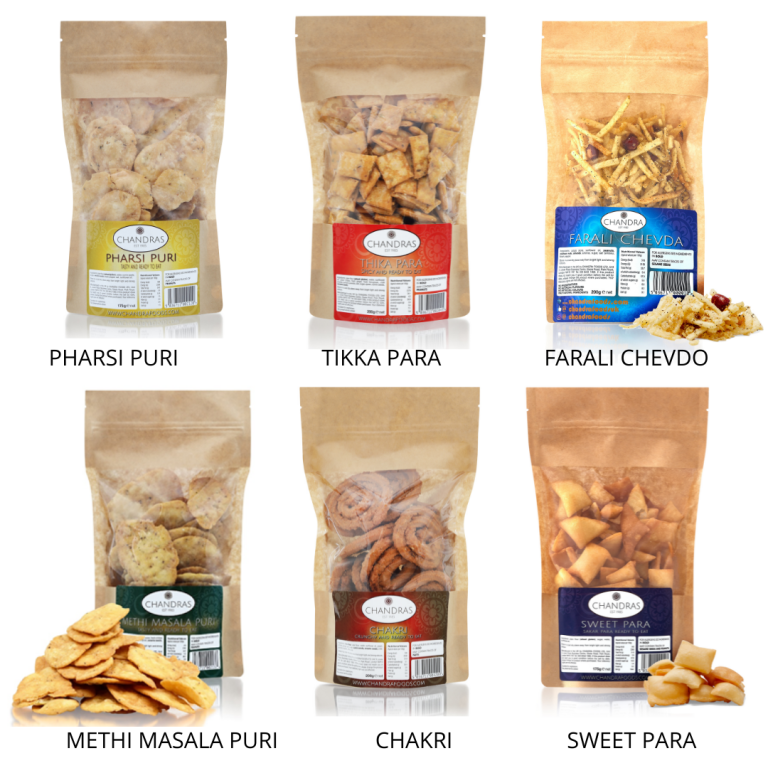
Many health‑conscious shoppers look for UK‑based brands that specialise in natural ingredients and simple processing. Chandra Foods, for example, have built a reputation around premium nuts, seeds, and traditional snacks with a focus on quality and authenticity. If you’re curious to explore a wider range of options in one place, you can browse their range of healthy nuts and seeds UK consumers already know and use in everyday cooking.
How Much Nuts and Seeds Should You Eat Daily?
Even the healthiest nuts and seeds UK diets can overdo things if portions get too big, because nuts are energy‑dense. Most public health and heart‑health guidelines suggest around 20–30 g of nuts per day—roughly a small handful—for most adults.
This amount tends to:
- Provide a good mix of healthy fats, fibre, and micronutrients.
- Fit into a normal calorie intake without making weight management harder (as long as other snacks are adjusted).
- Support long‑term heart and metabolic health as part of a varied diet rich in whole foods.
You don’t have to eat every variety in this list each day. Rotating a few types across the week still delivers a wide spread of nutritional benefits of seeds and nuts.
Tips for Storing Nuts and Seeds Properly
To get the full benefit from healthy nuts and seeds UK‑wide, storage matters just as much as selection. Their natural oils can go rancid if exposed to heat, light, or air for too long.
- Store nuts and seeds in airtight containers, ideally glass jars or sturdy tubs.
- Keep them in a cool, dark cupboard; for long‑term storage, the fridge or freezer can help protect their healthy fats.
- Avoid leaving open packets near the cooker or radiator.
- Buy in sensible quantities for your household so you can rotate stock every few months.
Good storage helps preserve flavour and keeps the delicate oils and nutrients intact.
Final Thoughts
Healthy eating doesn’t always mean complicated recipes or restrictive plans. Often, it comes down to a few smart, sustainable habits—and adding a handful of nutrients‑dense nuts and seeds is one of the simplest changes you can make.
From vitamin‑E‑rich almonds and omega‑3‑packed walnuts to tiny powerhouses like chia, flax, and sesame, the nuts and seeds benefits we’ve covered show just how much goodness can be packed into a small snack. For anyone in the UK looking to build better daily habits, choosing a modest, regular daily nuts intake UK and sprinkling seeds into meals is an easy, realistic step toward better long‑term health.