
If you’ve spent any time scrolling through baking blogs, healthy recipe videos, or gluten-free food communities, chances are almond flour has already caught your eye. Over the last few years, it has become one of the most sought-after alternatives to traditional wheat flour – and the surge in searches for almond flour UK tells its own story. Home bakers, nutrition-conscious cooks, and professional pastry chefs alike are reaching for this versatile, naturally gluten-free ingredient to bake cakes, cookies, muffins, and pastries that are as nourishing as they are delicious.
What makes almond flour so compelling isn’t just what it replaces – it’s what it brings to the table on its own. A slightly sweet, nutty richness. A tender, moist crumb. A nutritional profile that leaves plain wheat flour trailing far behind. Whether you’re new to the world of nut-based flours or looking to refine your baking with it, this guide covers everything you need to know – from how it’s made to how to use it like a pro.
What Is Almond Flour?
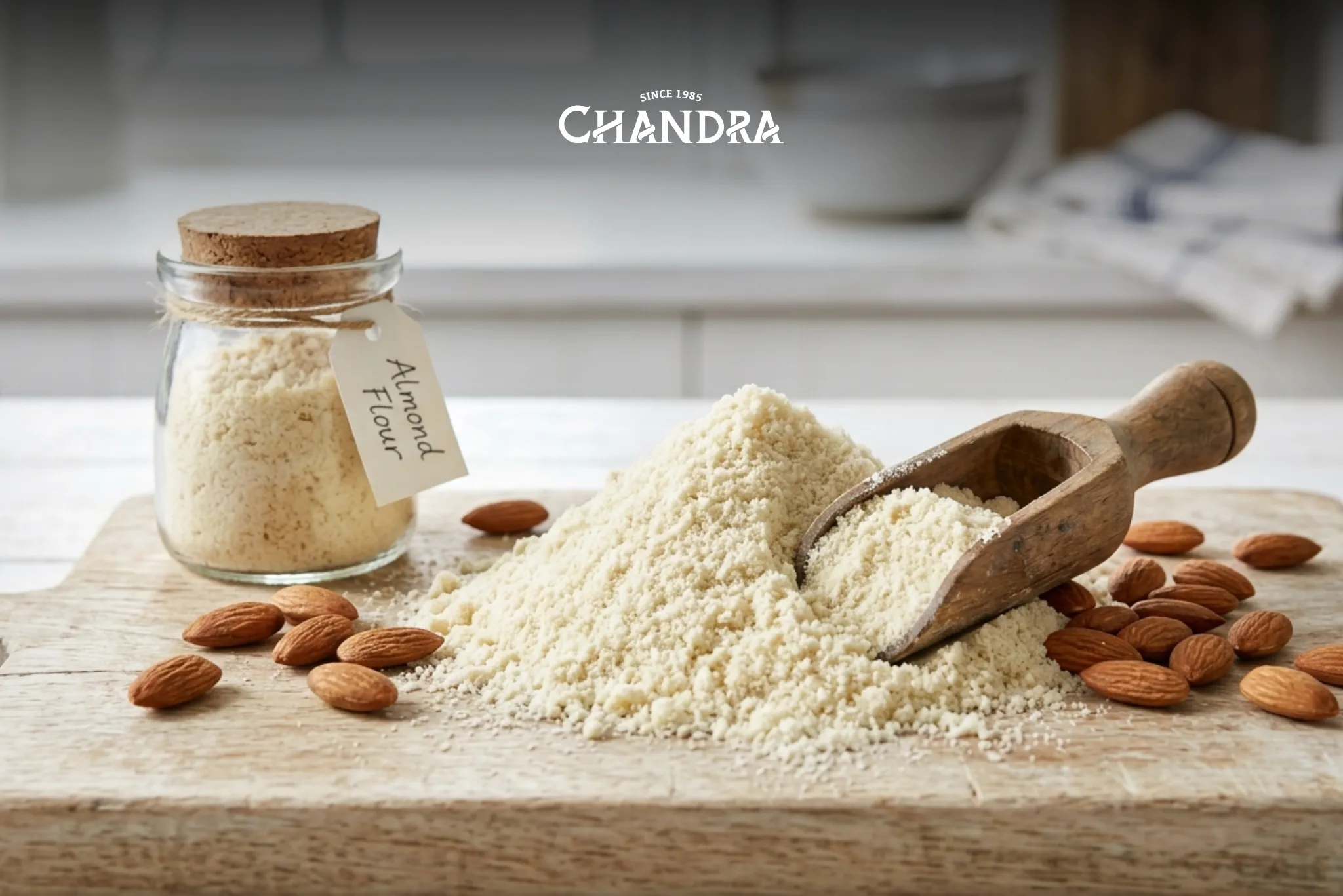
Almond flour is exactly what it sounds like: almonds, ground into a fine, smooth powder. But the detail that makes all the difference is how those almonds are prepared before grinding. Blanched almond flour – the most widely used variety – is made from almonds that have had their skins removed before processing, producing a pale, fine-textured flour with a mild, creamy flavour.
It’s important not to confuse almond flour with almond meal, which is ground from whole almonds with skins intact, giving it a coarser texture and a slightly speckled, darker appearance. While both can be used in baking, almond flour is the preferred choice when you need a finer crumb and a lighter result.
Key characteristics of almond flour at a glance:
- Naturally gluten-free – ideal for coeliacs and those with gluten sensitivities
- Mild, slightly sweet nutty taste – enhances rather than overpowers baked goods
- Moist and rich texture – adds softness and structure to cakes, cookies, and more
- High protein and fat content – provides more nutritional value than refined white flour
How Almond Flour Is Made
Blanched almonds and flour
The journey from raw almond to fine baking flour involves a simple but precise process. Each step matters – especially if you want the best quality almond flour UK for delicate baking.
Step 1 – Selecting High-Quality Almonds
It all starts with the almond itself. Fresh, plump almonds with a clean, sweet aroma produce the finest flour. Older or lower-grade almonds can introduce a bitter taste that carries through into your baked goods – something you’ll notice immediately in something as simple as an almond cake.
Step 2 – Blanching the Almonds
The almonds are briefly submerged in boiling water – typically for 30 to 60 seconds – which loosens the outer skin. Once drained and cooled under cold running water, the skins slip off easily with gentle pressure. This step is what distinguishes blanched almond flour from its coarser counterpart, and it’s responsible for that characteristic pale, smooth appearance.
Step 3 – Drying the Almonds
Once blanched, the almonds must be thoroughly dried before grinding. Any residual moisture will cause the almonds to clump during grinding and result in uneven, grainy flour. In commercial production, controlled drying ensures a consistent moisture level that protects shelf life and texture.
Step 4 – Grinding Into Fine Flour
The dried, blanched almonds are ground in short pulses in a high-powered food processor or commercial mill until they reach a fine, powder-like consistency. The key is to stop before the natural oils are fully released – push too far and you’ll end up with almond butter instead. For the finest texture, the ground flour is sifted through a mesh to remove any larger pieces.
Nutritional Benefits of Almond Flour
Almond flour jar
One of the biggest reasons home bakers across the UK are making the switch is the remarkable nutritional profile of almond flour. Unlike refined white flour, which offers little beyond carbohydrates, almond flour is genuinely rich in essential nutrients.
Per one ounce (28g) serving, almond flour provides:
- Fat: 14.2g – predominantly heart-healthy monounsaturated fats
- Protein: 6.1g – supporting muscle repair and sustained fullness
- Fibre: 3g – aiding digestion and gut health
- Vitamin E: 35% of the recommended daily intake
- Magnesium: 19% of the recommended daily intake
- Manganese: 31% of the recommended daily intake
These nutrients come with real health benefits. Vitamin E acts as a powerful antioxidant that protects cells from oxidative damage and has been linked to lower rates of heart disease. Magnesium plays a crucial role in blood sugar regulation and insulin function – making almond flour a particularly smart choice for people managing type 2 diabetes or following a low-glycaemic diet. The healthy fat content also helps you feel fuller for longer, preventing the energy crashes associated with high-carb bakes.
In short, almond flour doesn’t just bake well – it actively works for your health.
Why Almond Flour Is Popular in the UK
The UK baking scene has seen a genuine transformation over the last decade. Rising awareness of food intolerances, growing interest in ketogenic and low-carb diets, and the explosion of home baking – accelerated by lockdowns and an enduring love affair with shows like The Great British Bake Off – have all contributed to a surge in demand for alternative flours.
Almond flour ticks every box for modern UK bakers:
- Gluten-free baking is mainstream – with over 600,000 diagnosed coeliacs in the UK and millions avoiding gluten by choice, demand for reliable wheat alternatives is consistent and growing
- Keto and low-carb popularity – almond flour is dramatically lower in carbohydrates than wheat flour, making it a staple on keto meal plans
- Home baking culture – more people are baking from scratch at home and experimenting with healthier ingredient swaps
- Online shopping convenience – consumers can easily access quality almond flour and related products online, removing the supermarket aisle limitations of years past
The result is a growing audience actively searching for almond flour UK options online – looking for fresh, reliable, and well-sourced products to elevate their baking.
Types of Almond Flour Available in the UK
Not all almond flours are the same, and choosing the right type for your recipe makes a real difference in the final result.
Blanched Almond Flour
Made from skinless almonds, this is the most popular variety for home baking. Its fine, uniform texture blends smoothly into batters and produces cakes and cookies with a light, tender crumb. If a recipe simply says “almond flour,” this is almost always what it means.
Natural Almond Flour
Made from whole almonds including the skin, natural almond flour has a slightly coarser texture and a more pronounced almond flavour. It works well in denser, rustic bakes but can affect the colour and texture of lighter recipes.
Almond Meal
The coarsest of the three, almond meal is excellent for flapjacks, crumbles, and rustic tarts where a rougher crumb is either acceptable or desirable.
It’s also worth noting almond slices as a closely related product. Almond slices online UK are thinly cut almond flakes commonly used as a decorative topping for cakes, tarts, croissants, and biscuits – adding both visual appeal and a satisfying crunch. They’re a wonderful complement to any recipe that uses almond flour as the base.
How to Use Almond Flour in Baking
Almond flour making steps
Almond flour is wonderfully versatile, but it does behave differently to wheat flour – which is a good thing, once you understand its strengths.
Best uses for almond flour:
- Cakes and cupcakes – produces a moist, tender sponge with a beautifully soft crumb
- Cookies and biscuits – creates a lightly crispy edge and chewy centre
- Muffins and loaves – adds richness and prevents the common dryness of gluten-free bakes
- Pancakes – delivers fluffy, protein-rich pancakes with a subtle nutty flavour
- Pastry bases – perfect for tart cases and cheesecake bases that are pressed rather than rolled
Practical baking tips:
- Add extra eggs – since almond flour lacks gluten, eggs provide the structure that holds your bake together
- Don’t skip binding ingredients – a small amount of psyllium husk, flaxseed, or xanthan gum can dramatically improve structure in bread-style bakes
- Combine with other flours – blending almond flour with a gluten-free flour mix (at roughly 1:3 ratio) gives you the moisture benefits of almond flour with better rise and structure
- Lower your oven temperature slightly – almond flour browns faster than wheat flour due to its higher fat content, so reduce heat by 10–15°C and keep a close eye on your bake
Common Baking Mistakes with Almond Flour
Even experienced bakers can run into problems when first working with almond flour. Here are the most common pitfalls – and how to avoid them:
- Treating it as a direct 1:1 swap for wheat flour
Almond flour is denser and wetter than wheat flour, so swapping cup-for-cup will leave you with a flat, greasy result. Adjust your quantities and always check recipe-specific guidance. - Not adjusting liquid content
Because almond flour holds more moisture naturally, using the same quantity of liquid as a wheat flour recipe will make your batter too wet. Reduce liquids by around 20–25% and add gradually. - Overbaking
The high fat content means almond flour bakes can look underdone on the surface while actually being perfectly cooked inside. Always test with a skewer and check colour rather than relying on time alone. - Using coarse almond meal instead of fine flour
This is a common beginner mistake. Almond meal in a delicate cake recipe will result in a dense, gritty texture. Always check the label and ensure you’re using finely ground blanched almond flour for light bakes.
Where to Buy Almond Flour in the UK
With more people baking at home using quality, nutrient-rich ingredients, the importance of sourcing fresh and reliable almond products has never been greater. Supermarket options can vary significantly in freshness, grind consistency, and sourcing transparency – which is why many dedicated bakers now prefer shopping online.
When buying online, look for stores that offer clear product descriptions, proper airtight packaging, and a genuine range of almond varieties. For everything from whole and blanched almonds to almond slices and baking-ready almond products, you can buy high-quality almonds and baking ingredients from Chandra Foods. Their range includes premium almonds, almond slices online UK, and other trusted nut products that make home baking both easier and more enjoyable.
Fresh, well-stored almonds and almond products make a noticeable difference in your baking – the flavour is cleaner, the texture more consistent, and the results far more satisfying.
Conclusion
Almond flour has earned its place as one of the most versatile and nutritious ingredients in modern baking. Whether you’re navigating a gluten intolerance, following a low-carb lifestyle, or simply looking to bake with more wholesome, nourishing ingredients, it delivers on every front – from flavour and texture to impressive nutritional value.
The growing demand for almond flour UK reflects a broader shift in how people think about what goes into their food. Baking isn’t just about indulgence anymore – it’s about making thoughtful choices with quality ingredients. And almond flour, paired with fresh, premium almonds from a trusted source, makes those choices genuinely delicious. So whether you’re baking your first almond cake or perfecting a batch of keto cookies, don’t be afraid to experiment – your oven (and your taste buds) will thank you.
Shop the Products Mentioned in This Guide
You can order almond slices and blanched almonds from Chandra Foods, with free UK delivery on orders over £40.