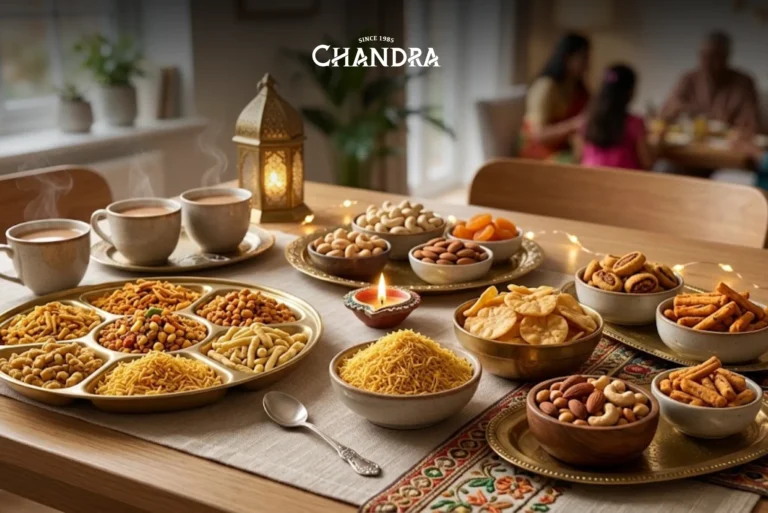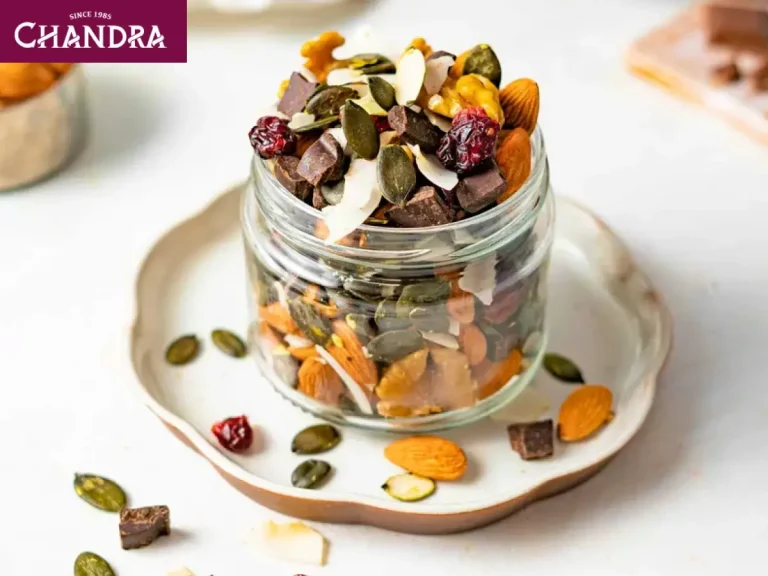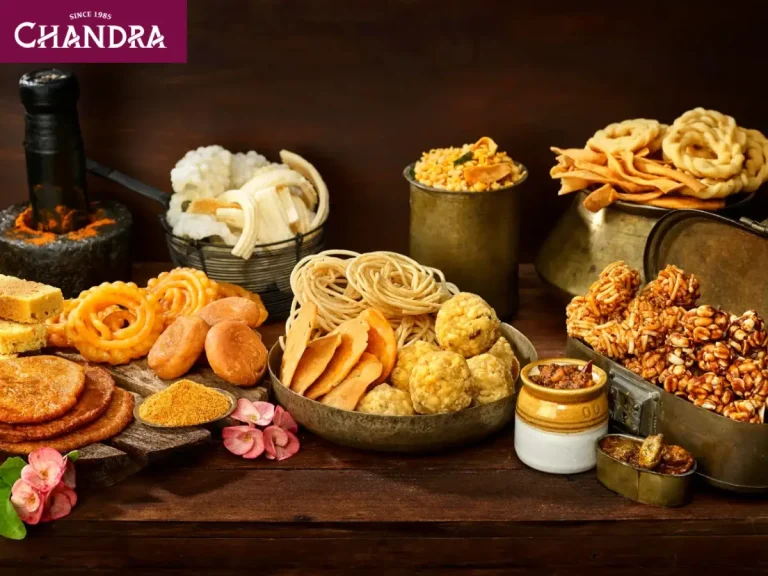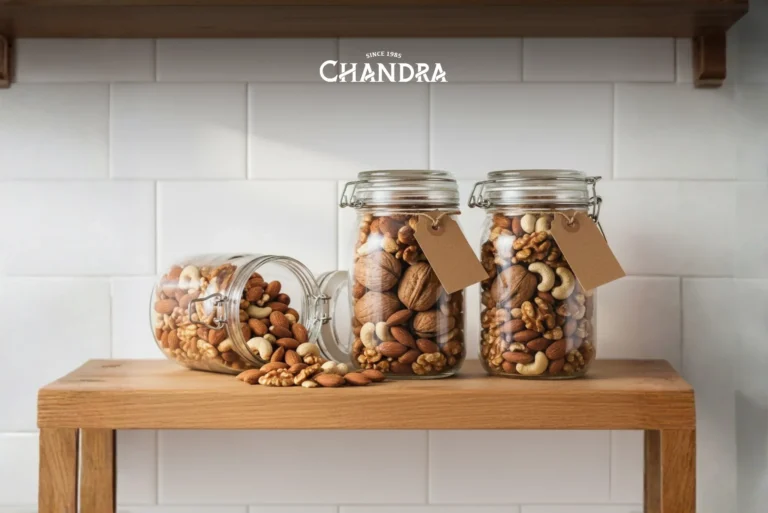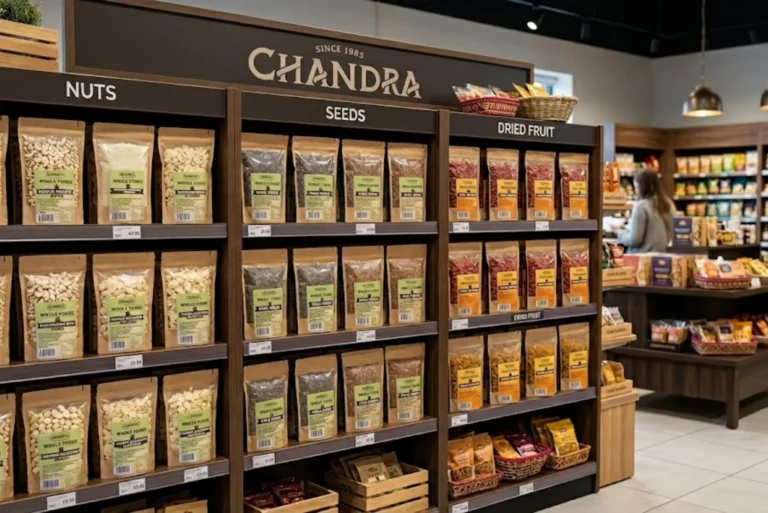

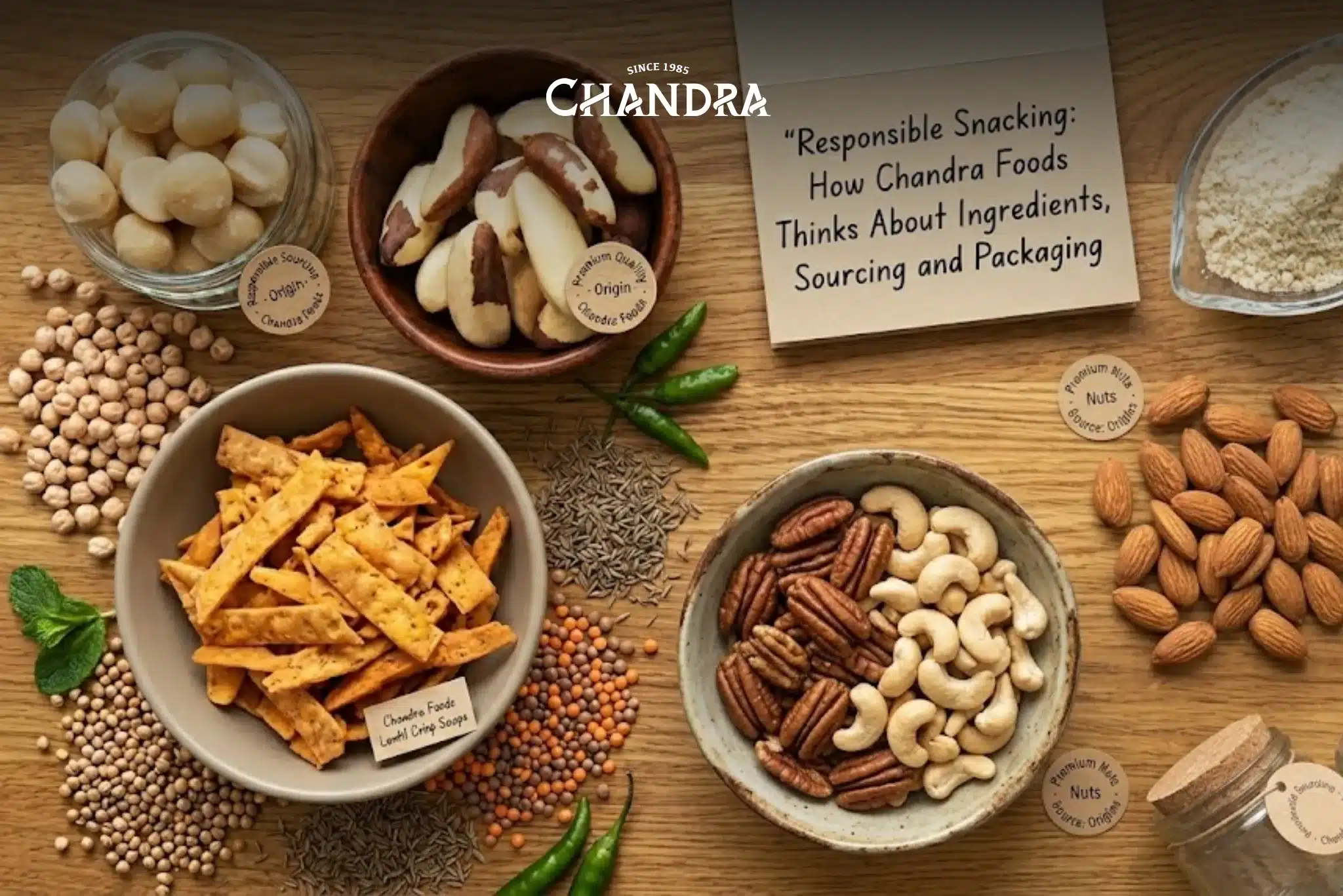
Chandra foods responsible snacking reflects how modern UK consumers think about ingredients, sourcing, and packaging in everyday food choices.
Responsible snacking today goes far beyond simply creating enjoyable products. Consumers are increasingly interested in:
- ingredient quality
- responsible sourcing
- packaging choices
- long-term sustainability
- food transparency
As a result, brands are expected to balance authenticity, consistency and convenience with more thoughtful production practices. This growing awareness has contributed to increased interest in businesses that reflect the values of a responsible and trustworthy snack brand UK consumers can rely on for both flavour and quality.
Many shoppers are also actively searching for healthy snacks uk options that combine authentic ingredients with balanced everyday snacking habits.
Traditional snack brands are now adapting to modern expectations while continuing to preserve the familiar flavours and recipes customers value.
What Responsible Snacking Means Today
Responsible snacking means making more thoughtful decisions throughout the food production process. Consumers increasingly want reassurance about:
- ingredients
- sourcing practices
- product quality
- freshness
- environmental impact
Modern food shoppers are also becoming more selective about which brands they support. Many people now research products before purchasing and pay attention to how companies communicate their values.
Responsible snacking also involves balancing convenience with mindful production choices. Snack brands are expected to create products that fit modern lifestyles without compromising on flavour, authenticity or product quality.
This shift has helped increase demand for responsible food brands UK consumers feel aligned with their personal values and everyday food habits.
Many families looking for natural snacks also prefer products made with familiar ingredients and traditional recipes rather than highly processed alternatives.
Why Ingredient Quality Matters in Snack Foods
Ingredients are one of the most important factors influencing customer trust and overall product experience.
Simpler Ingredient Lists
Consumers increasingly prefer snacks made using recognisable ingredients rather than highly processed formulations.
Simple ingredient lists often feel more transparent and trustworthy.
Traditional Pantry Staples
Many traditional Indian snacks rely on familiar pantry ingredients such as:
- lentils
- chickpea flour
- spices
- seeds
- nuts
These ingredients have long been central to Indian home cooking because they provide flavour, texture and versatility.
Balanced Flavour and Authenticity
Traditional ingredients often create stronger and more authentic flavours naturally, without relying heavily on artificial additives.
Ingredient quality also helps maintain consistency, which is especially important for repeat customers who expect familiar flavour and texture with every purchase.
For many consumers, trust in a snack brand begins with confidence in the ingredients used.
Consumers searching for healthy snacks increasingly value snacks that combine traditional ingredients with balanced flavour and practical convenience.
The Importance of Responsible Ingredient Sourcing
Ingredient sourcing plays an important role in maintaining both quality and consistency.
Consistency and Freshness
Reliable sourcing practices help ensure ingredients remain fresh and consistent over time.
This can affect:
- flavour
- crunch
- shelf life
- product quality
Building Long-Term Supplier Relationships
Long-standing supplier relationships often support better consistency and quality control.
Strong sourcing partnerships can also help brands maintain more reliable production standards over the long term.
Supporting Authentic Food Traditions
Traditional Indian snack recipes rely on authentic ingredients to preserve familiar flavour profiles and cooking traditions.
Many shoppers looking for responsible food brands also value transparency around sourcing practices and ingredient quality because these factors contribute directly to product trust.
Responsible sourcing is not only about supply management but also about protecting authenticity and customer confidence.
As demand for natural snacks continues to grow, consumers increasingly appreciate brands that focus on thoughtful sourcing and ingredient transparency.
Why Packaging Plays an Important Role in Modern Food Brands
Packaging is now a major part of the customer experience and an important consideration for modern snack brands.
Protecting Freshness
Proper packaging helps maintain:
- crunch
- flavour
- texture
- freshness
This is especially important for savoury snacks that depend heavily on crisp texture.
Supporting Food Safety
Packaging also helps reduce contamination risks and supports safer storage throughout transportation and retail distribution.
Reducing Waste Through Better Storage
Durable and resealable packaging can help extend product freshness after opening, reducing unnecessary waste in households.
Consumer Expectations Around Packaging
Modern shoppers increasingly notice how products are packaged.
Consumers often evaluate:
- convenience
- durability
- freshness protection
- storage practicality
Packaging choices can strongly influence customer trust and overall brand perception.
Many discussions around ethical food packaging UK consumers follow now focus on balancing practicality, freshness protection and long-term environmental considerations.
Well-designed packaging is also especially important for products supplied through office snacks delivery uk services where freshness and portability strongly affect customer satisfaction.
How Snack Brands Balance Tradition and Modern Expectations
Traditional snack recipes are now being adapted for modern retail environments and online shopping habits.
Brands must balance several factors simultaneously, including:
- authentic flavours
- convenience
- packaging requirements
- shelf life
- portability
Consumers still expect traditional taste and texture, but they also want products that fit busy lifestyles and modern shopping habits.
Responsible brands often focus on preserving authenticity while adapting carefully to changing consumer expectations.
This balance allows heritage food products to remain relevant without losing their cultural identity or trusted flavour profiles.
Discover the Chandra Foods story and values here:
Discover the Chandra Foods Story and Values
Why Consumers Are Looking for More Responsible Food Brands
Consumer behaviour across the UK food market continues to evolve.
Growing Awareness Around Food Choices
Many shoppers now pay closer attention to how food is produced and marketed.
This includes interest in:
- ingredients
- sourcing
- production standards
- packaging
- business values
Preference for Authentic and Trusted Brands
Heritage, consistency and authenticity strongly influence purchasing decisions, especially within traditional food categories.
Customers often feel more confident buying from brands they perceive as transparent and reliable.
Demand for Better Ingredient Transparency
Consumers increasingly want to understand what goes into their food and how products are made.
This growing interest in transparency is shaping purchasing habits across the UK snack industry.
The growing popularity of healthy snacks uk also reflects wider consumer demand for more balanced and thoughtfully produced everyday foods.
The Role of Heritage and Long-Term Thinking in Food Brands
Family-run and long-standing food businesses often approach growth differently from trend-driven brands.
These businesses frequently prioritise:
- consistency
- trust
- long-term customer relationships
- reputation
- product reliability
Heritage can strongly influence responsible business practices because companies focused on long-term reputation often place greater importance on customer loyalty and product quality.
For many consumers, heritage also creates reassurance and familiarity, especially when purchasing traditional foods.
Consumers interested in natural snacks often value heritage brands because they associate them with authenticity, quality and trusted preparation methods.
How Responsible Snacking Fits Modern UK Lifestyles
Modern snacking habits are becoming more mindful and balanced.
Mindful Everyday Eating
Consumers are increasingly making more deliberate food choices throughout the day rather than relying entirely on impulse purchases.
Smaller Portions and Balanced Snacking
Many people now focus on moderation and portion awareness rather than excessive snacking.
Preference for Familiar Ingredients
Traditional ingredients such as lentils, chickpea flour and spices often feel more trustworthy and recognisable to consumers.
Customers increasingly searching for healthy snacks uk are often looking for products that combine convenience with authentic ingredients and balanced flavours.
Common Challenges Food Brands Face Today
Modern food brands face several ongoing challenges while trying to balance quality, convenience and responsibility.
Maintaining Product Freshness
Freshness remains especially important for crispy savoury snacks where texture strongly affects customer satisfaction.
Balancing Packaging and Sustainability Goals
Packaging must still protect food quality while meeting growing consumer expectations around responsible packaging practices.
Managing Supply Chain Consistency
Ingredient sourcing directly affects product availability, flavour consistency and freshness.
Meeting Changing Consumer Expectations
Food brands must continually adapt to changing trends, including:
- plant-based eating
- convenience foods
- online shopping habits
- health-conscious snacking
Balancing these expectations while preserving product identity can be complex.
Reliable office snacks delivery uk services must also maintain consistent product freshness and packaging quality to meet modern workplace expectations.
Why Transparency Matters in the Food Industry
Transparency has become increasingly important in modern food retail.
Consumers value honest communication because it helps build:
- trust
- loyalty
- confidence in food quality
- long-term customer relationships
Responsible brands often focus on maintaining consistent standards and open communication rather than chasing short-term food trends.
This long-term approach can strengthen customer confidence over time.
Consumers choosing natural snacks uk increasingly appreciate brands that communicate clearly about ingredients, sourcing and product quality.
How Chandra Foods Reflects Traditional Values in Modern Snacking
Traditional Indian snack culture is deeply connected to heritage, family recipes and shared food experiences. Preserving these traditions while adapting to modern UK lifestyles requires careful balance.
Brands rooted in heritage often focus strongly on:
- authentic flavour
- product consistency
- customer trust
- long-term relationships
Thoughtful ingredient choices and reliable product quality continue to play an important role in creating responsible snacking experiences for modern consumers.
As UK shoppers continue seeking authentic and familiar foods, traditional snack brands that maintain consistent standards remain highly valued.
The increasing popularity of office snacks delivery uk and workplace snack solutions also highlights how traditional savoury snacks are evolving to fit modern lifestyles while preserving authentic flavour and quality.
Conclusion
Responsible snacking is becoming increasingly important as consumers pay closer attention to ingredients, sourcing and packaging decisions. Modern snack brands are now expected to balance convenience, authenticity and flavour with thoughtful business practices and product transparency.
From ingredient quality and sourcing standards to packaging decisions and customer communication, every part of the process influences long-term customer trust and brand reputation.
As UK consumers continue exploring healthy snacks uk, searching for natural snacks uk, and using convenient office snacks delivery uk services, responsible snack brands that focus on authenticity, transparency and consistent quality are likely to remain highly valued within the evolving food industry.