
Choosing the right flour can have a significant impact on the success of your baking. From texture and flavour to moisture and structure, the type of flour you use influences how your finished bake looks, tastes, and feels.
For generations, wheat flour has been the foundation of home baking across the UK. It’s versatile, widely available, and suitable for everything from bread and pastries to cakes and biscuits. However, in recent years, almond flour has gained considerable popularity among home bakers seeking alternative baking ingredients that offer unique flavour and texture.
Whether you’re making a batch of cupcakes for a family gathering, baking homemade cookies, or experimenting with new recipes in your kitchen, understanding the differences between almond flour and wheat flour can help you achieve better results.
In this guide, we’ll compare both flours, explore their strengths and limitations, discuss their best uses, and help you determine which option is best suited to your baking projects. If you’re considering buying quality Almond Flour UK bakers trust, this article will provide everything you need to know before getting started.
Understanding Almond Flour and Wheat Flour
What Is Almond Flour?
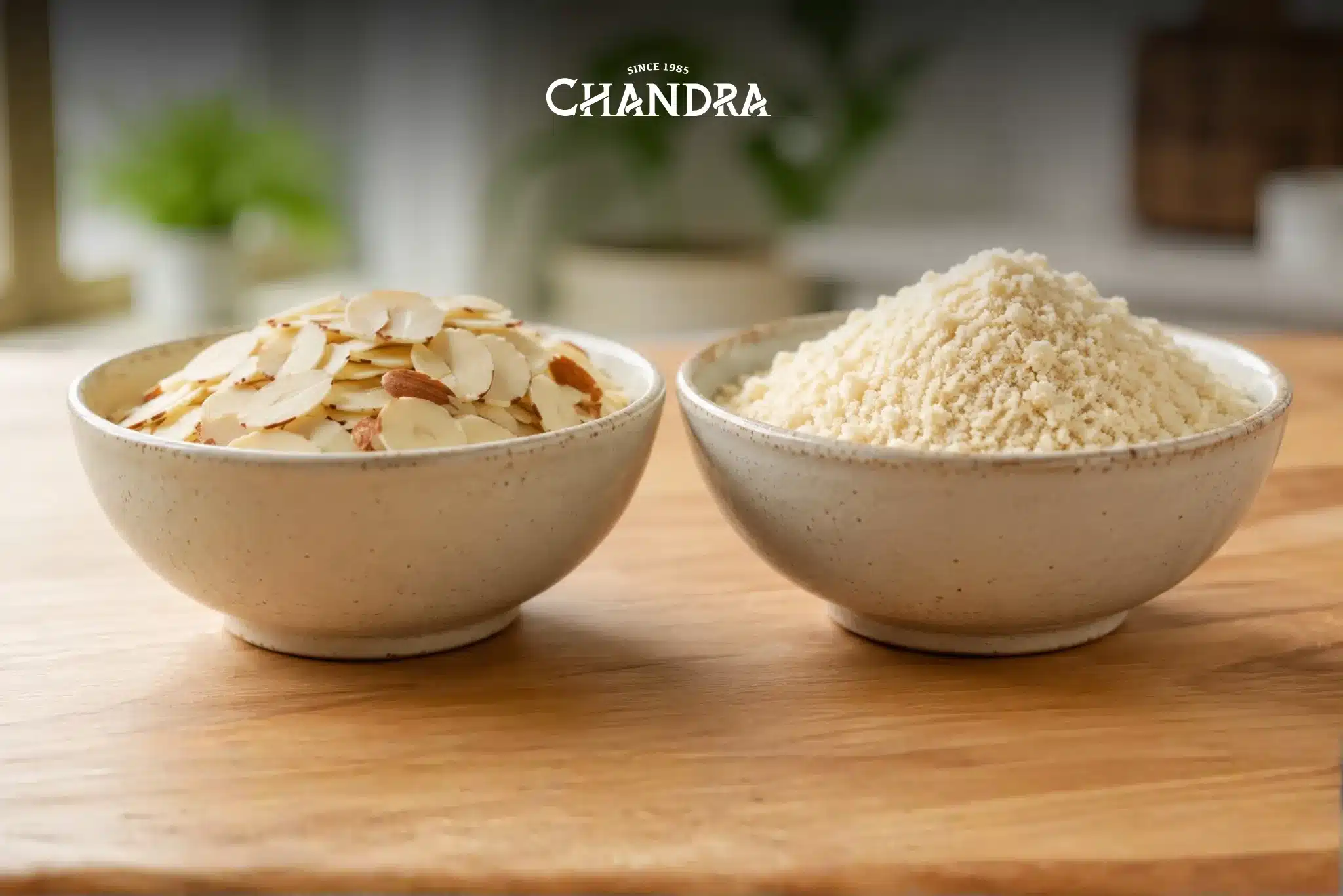
Almond flour is made by grinding almonds into a fine, soft flour-like consistency. Unlike traditional flour, it comes directly from nuts rather than grains, giving it a distinctive flavour and texture.
One of the reasons almond flour has become so popular is its versatility. It can be used in a wide range of baked goods, from cakes and cookies to brownies and dessert bars. Its naturally nutty flavour adds richness to recipes, while its fine texture helps create moist and tender baked treats.
Many modern bakers appreciate almond flour because it brings something different to traditional recipes. Instead of simply acting as a base ingredient, it actively contributes flavour, texture, and character to the final product.
What Is Wheat Flour?
Wheat flour is produced by milling wheat grains into a powder suitable for baking and cooking. It has been a staple ingredient in kitchens for centuries and remains the most commonly used flour worldwide.
There are several varieties available, including plain flour, self-raising flour, bread flour, and wholemeal flour. Each type is designed for specific baking purposes, making wheat flour one of the most adaptable ingredients available.
Because of its reliable structure and performance, wheat flour is used extensively in both home kitchens and commercial bakeries. It forms the foundation of countless recipes, including breads, pastries, cakes, muffins, pizza dough, and biscuits.
Why Flour Choice Matters in Baking
Many bakers underestimate how much flour influences the outcome of a recipe.
The type of flour you choose affects:
- Texture
- Structure
- Moisture levels
- Flavour
- Appearance
- Rise and stability
Some flours create light and airy cakes, while others produce richer and denser textures. Understanding these differences allows you to choose the best flour for your intended result rather than simply following tradition.
Almond Flour vs Wheat Flour: Key Differences
Texture and Consistency
Almond Flour
Almond flour has a fine yet slightly coarse texture compared to traditional wheat flour.
Because almonds naturally contain oils, almond flour produces baked goods with a soft, moist crumb. Cakes, cookies, and brownies made with almond flour often feel richer and more tender.
Many bakers choose almond flour specifically because of the luxurious texture it creates in sweet recipes.
Wheat Flour
Wheat flour provides structure and elasticity due to the proteins naturally present in wheat.
This allows doughs and batters to hold their shape more effectively during baking. Wheat flour is particularly useful when making recipes that require strength and stability, such as breads, pastries, and pizza dough.
The result is often lighter, more uniform textures that maintain their structure exceptionally well.
Flavour Profile
Almond Flour
One of almond flour’s biggest advantages is its flavour.
It offers a mild, naturally nutty taste that adds depth and richness to baked goods. Rather than overpowering recipes, it complements ingredients such as chocolate, vanilla, fruit, cinnamon, and caramel beautifully.
This subtle nuttiness often gives homemade bakes a more premium, bakery-style character.
Wheat Flour
Wheat flour has a much more neutral flavour.
Its subtle taste allows other ingredients to take centre stage, making it highly versatile across a broad range of recipes.
Because it doesn’t significantly alter flavour profiles, wheat flour works equally well in sweet and savoury baking.
Moisture Retention
Almond Flour
Almond flour is known for its excellent moisture retention.
Its natural oils help baked goods remain soft and moist for longer periods. Cakes and muffins made with almond flour are often less prone to drying out, even after a day or two.
This makes almond flour particularly appealing for recipes where a tender crumb is desired.
Wheat Flour
Wheat flour absorbs liquids differently.
Depending on the recipe, it can produce lighter and fluffier textures while still maintaining structure. The balance between flour and liquid ingredients becomes especially important when using wheat flour to achieve the desired consistency.
Best Baking Uses for Almond Flour
Cakes and Cupcakes
Almond flour excels in cakes and cupcakes.
Its rich texture and subtle flavour help create moist, flavourful bakes that feel indulgent and satisfying. Fruit-based cakes, chocolate cakes, and celebration cakes often benefit from the added depth almond flour provides.
Many bakers find that almond flour enhances both taste and texture without requiring complex techniques.
Cookies and Biscuits
Cookies and biscuits are among the most popular uses for almond flour.
It produces soft centres with delicate textures while adding a pleasant nutty note to the finished product. Whether you’re making chocolate chip cookies, shortbread-style biscuits, or festive treats, almond flour can elevate the overall result.
Brownies and Dessert Bars
Almond flour pairs exceptionally well with chocolate.
Its moisture-retaining properties help create rich, fudgy brownies and dessert bars with a luxurious texture. The natural richness of almonds complements cocoa beautifully, making almond flour a favourite among home bakers who enjoy chocolate-based desserts.
Pancakes and Breakfast Bakes
Weekend baking projects often benefit from almond flour’s distinctive qualities.
Pancakes, breakfast muffins, tray bakes, and baked breakfast dishes gain additional flavour and texture when almond flour is included. It creates a satisfying bite while contributing a subtle nuttiness that works well with fruits, spices, and syrups.
Best Baking Uses for Wheat Flour
Traditional Bread Making
Bread is where wheat flour truly shines.
The proteins found in wheat help create elasticity within dough, allowing it to rise properly and develop structure. This is essential for producing loaves, rolls, baguettes, and artisan breads.
Without this structure, many bread recipes would struggle to achieve their desired texture.
Pastries and Pie Crusts
Wheat flour remains the preferred choice for traditional pastries and pie crusts.
Its handling characteristics make it easier to roll, shape, and laminate. Bakers rely on wheat flour to create flaky pastries, crisp pie bases, and buttery tarts.
Everyday Cakes and Muffins
For many home bakers, wheat flour remains the go-to ingredient for cakes and muffins.
It delivers consistent results and works well across countless recipes. Beginners often find wheat flour easier to use because recipes are widely available and require fewer adjustments.
Pizza Dough and Savoury Bakes
Pizza dough, savoury pastries, focaccia, and breadsticks all depend heavily on the structure provided by wheat flour.
Its ability to create chewiness and stability makes it ideal for dough-based recipes where texture plays a central role.
Can Almond Flour Replace Wheat Flour?
Understanding Recipe Adjustments
One of the most common questions bakers ask is whether almond flour can directly replace wheat flour.
The answer is not always straightforward.
Almond flour behaves differently during baking. It absorbs moisture differently, lacks the structural properties of wheat flour, and often requires recipe modifications to achieve successful results.
Simply swapping one flour for another using identical measurements may not produce the desired outcome.
Combining Both Flours
Many experienced bakers choose to combine almond flour and wheat flour rather than relying solely on one.
Blending the two can provide:
- Improved texture
- Enhanced flavour
- Better moisture retention
- Increased stability
This approach allows bakers to enjoy the benefits of almond flour while maintaining the structure provided by wheat flour.
Common Mistakes to Avoid
When baking with almond flour, several common mistakes can affect results:
- Using identical flour measurements
- Ignoring moisture differences
- Overmixing batters
- Expecting identical baking behaviour
- Not adjusting ingredient ratios when necessary
Understanding these differences helps achieve more consistent results.
Why More UK Home Bakers Are Choosing Almond Flour
Growing Interest in Alternative Baking Ingredients
The UK baking community has become increasingly adventurous.
Home bakers are exploring new ingredients, experimenting with recipes, and seeking ways to create unique textures and flavours. As a result, almond flour has become more widely available and easier to incorporate into everyday baking.
Rich Flavour and Premium Texture
Many bakers appreciate almond flour because it creates results that feel more indulgent.
The combination of moisture, richness, and subtle nuttiness can elevate homemade recipes from ordinary to exceptional. This premium quality is one reason almond flour continues to gain popularity.
Versatility Across Sweet Recipes
Almond flour works beautifully in a variety of sweet recipes.
From cakes and cookies to brownies, dessert bars, muffins, and pancakes, it adapts easily to different baking styles. Its versatility makes it a valuable addition to any baker’s cupboard.
How to Choose Quality Almond Flour in the UK
Look for Finely Ground Texture
The texture of almond flour plays a major role in baking performance.
Finely ground almond flour creates smoother batters, more consistent mixing, and better finished products. Coarser varieties may produce uneven textures in delicate recipes.
Prioritise Freshness
Freshness is essential when purchasing almond flour.
Fresh almond flour delivers better flavour, aroma, and baking performance. It also contributes to a more enjoyable finished product.
Always choose suppliers known for maintaining high product standards.
Buy from Trusted Suppliers
When purchasing Almond Flour UK products, selecting a trusted supplier provides added confidence.
Look for businesses that offer:
- Consistent quality
- Clear product information
- Reliable packaging
- Positive customer feedback
- Strong reputation for food products
These factors help ensure a positive baking experience.
Baking Tips for Working with Almond Flour
Measure Carefully
Almond flour is naturally denser than wheat flour.
Accurate measuring is important for achieving the correct balance of ingredients. Small variations can noticeably affect texture and consistency.
Store Correctly
Proper storage helps preserve freshness and quality.
Keep almond flour in an airtight container and store it in a cool, dry place away from direct sunlight. Good storage practices help maintain flavour and extend shelf life.
Experiment with Small Batches
If you’re new to baking with almond flour, start with smaller recipes.
Testing different formulations allows you to understand how almond flour behaves before preparing larger batches. This approach makes it easier to refine recipes and achieve preferred results.
Why Chandra Foods Is a Trusted Choice for Almond Flour UK
Carefully Selected Quality Ingredients
At Chandra Foods, quality remains at the heart of every product.
Our almond flour is carefully selected to deliver consistent texture, freshness, and reliability. Whether you’re baking simple family treats or experimenting with new recipes, quality ingredients make a noticeable difference.
Perfect for Everyday and Special Occasion Baking
Almond flour is suitable for a wide range of baking projects.
From cakes and cookies to brownies, cupcakes, and desserts, Chandra Foods almond flour helps home bakers create delicious homemade treats with confidence.
Easy Online Shopping Across the UK
Finding quality baking ingredients should be simple and convenient.
Chandra Foods offers an easy online shopping experience, allowing customers across the UK to access premium baking essentials delivered directly to their door.
Our commitment to quality, consistency, and customer satisfaction has made us a trusted choice for bakers looking for reliable ingredients.
Conclusion
When comparing almond flour and wheat flour, there is no universal winner because each flour serves a different purpose.
Wheat flour remains the traditional choice for breads, pastries, pizza dough, and structured bakes that require strength and elasticity. Almond flour, meanwhile, offers rich flavour, exceptional moisture retention, and a premium texture that can transform cakes, cookies, brownies, and desserts.
For many home bakers, the best approach is understanding the strengths of both ingredients and using each where it performs best. By doing so, you can enjoy greater creativity, better baking results, and a wider range of flavours and textures in your kitchen.
If you’re looking to explore quality baking ingredients and discover the benefits of Almond Flour UK bakers increasingly trust, Chandra Foods offers a carefully selected option designed to help you create delicious homemade bakes with confidence.