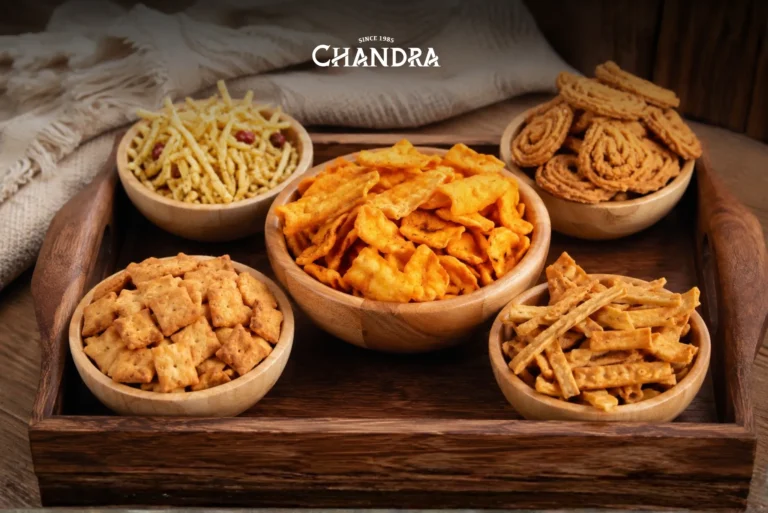

Indian snacks are loved around the world for their rich flavours, crunchy textures and incredible variety. From crispy sev and spicy namkeen mixes to flaky papdi and savoury pakoras, Indian snacks offer something for almost every taste. Across the UK, interest in authentic Indian flavours continues to grow as more families explore traditional recipes, tea-time snacks and modern sharing platters.
Today, many consumers searching for Indian snacks online in the UK are also becoming more interested in understanding the ingredients behind their favourite savoury snacks. As awareness around mindful eating grows, people increasingly want snacks that combine authentic taste with simple, familiar ingredients.
Traditional Indian snacks are often made using pantry staples such as lentils, chickpea flour, rice flour and natural spices. These ingredients have been used in Indian cooking for generations because they help create the crunch, flavour and texture associated with classic savoury snacks.
Many households now prefer natural snacks uk consumers can enjoy as part of balanced lifestyles, especially when looking for alternatives to heavily processed snack foods.
Why Ingredients Matter in Indian Snacks
The ingredients used in Indian snacks are carefully chosen because each one affects the final texture, flavour and appearance of the product.
Different combinations of flours, lentils and spices influence:
- crunch
- crispness
- shelf life
- flavour balance
- texture
Many traditional Indian snacks are built around simple pulse-based ingredients because pulses are affordable, versatile and naturally filling. Historically, Indian cooking evolved around practical pantry staples that could be stored for long periods while still offering strong flavour and satisfying texture.
This is one reason why traditional Indian snacks continue to appeal to families looking for healthy snacks and options that feel both flavourful and familiar.
Indian snack flours and pulses are not only functional ingredients but also deeply connected to regional cooking traditions and family recipes passed down through generations.
What Is Besan and Why Is It So Popular?
What Is Besan?
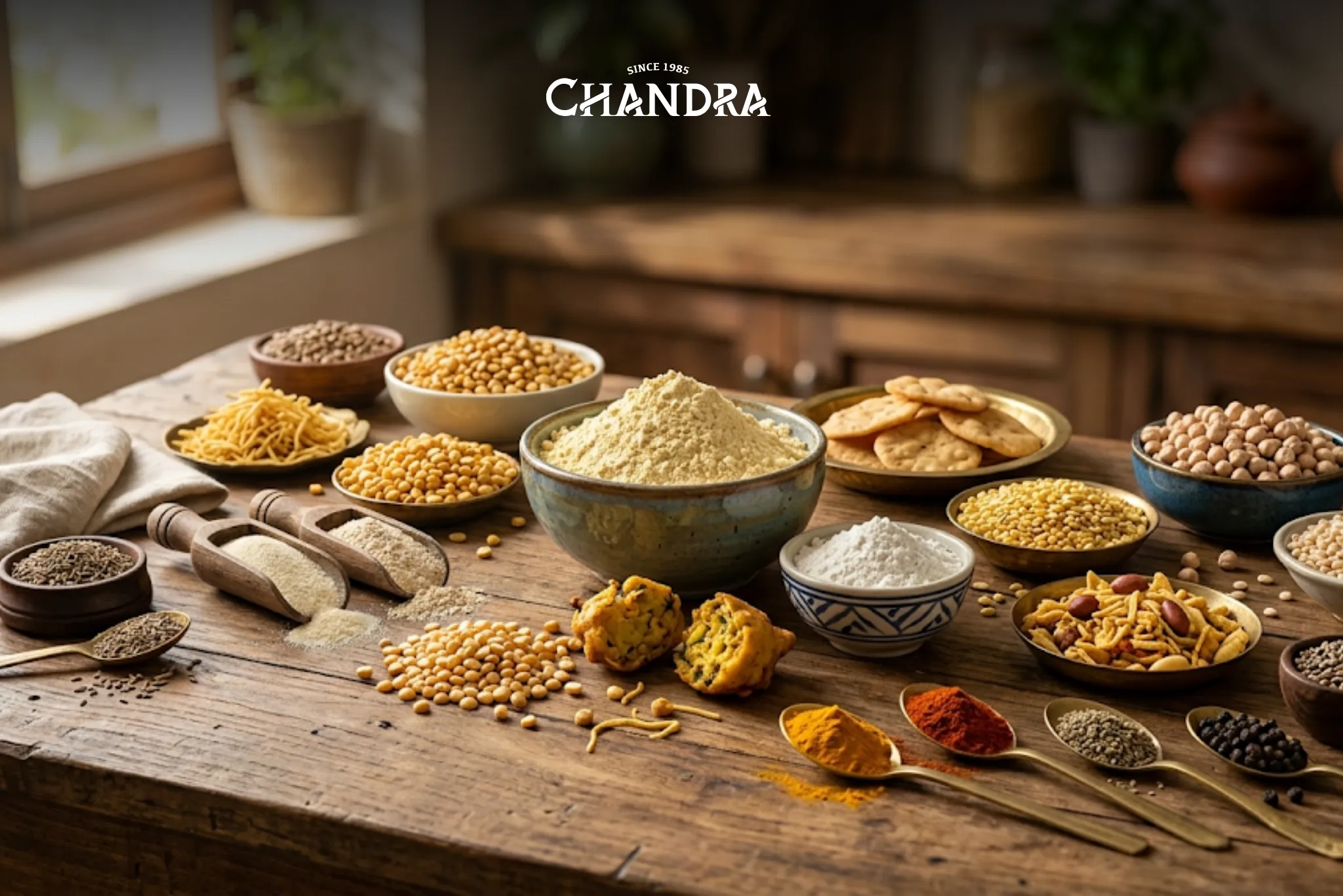
Besan is a flour made from split gram lentils, commonly known as chana dal. It has a fine texture, pale yellow colour and naturally gluten-free properties.
Besan is one of the most widely used ingredients in Indian cooking because it works well in both savoury and sweet recipes.
Why Besan Works So Well in Snacks
Besan is especially popular in snack preparation because it offers several important qualities.
It:
- creates crisp texture when fried or baked
- absorbs spices effectively
- adds structure to doughs and batters
- provides a mild nutty flavour
Its versatility allows it to be used in snacks ranging from crispy fried foods to savoury pancakes and baked crackers.
Many modern households interested in healthy snacks uk alternatives also appreciate besan because it is commonly used in homemade savoury recipes and traditional cooking.
Common Snacks Made with Besan
Many traditional Indian snacks rely heavily on besan, including:
- Sev
- Pakoras
- Gathiya
- Chilla
Besan remains one of the most important ingredients in Indian snack preparation because it provides the balance of crunch, flavour and texture associated with many savoury snacks.
The Role of Lentils in Indian Snacks
Lentils are another major ingredient category in Indian savoury cooking.
Why Lentils Are Widely Used
Lentils are valued because they are:
- high in protein
- rich in fibre
- affordable
- versatile
- suitable for many recipes
Different lentils produce different textures and flavours, making them useful across a wide variety of snacks.
Consumers exploring natural snacks uk options often prefer lentil-based savoury foods because they are inspired by traditional pantry ingredients and authentic cooking methods.
Common Lentils Used in Indian Snacks
Several lentils are commonly used in snack recipes.
These include:
- Chana dal
- Moong dal
- Urad dal
Each type contributes differently to flavour and texture.
How Lentils Affect Texture
Lentils help create many of the crunchy textures associated with Indian snacks.
Depending on preparation methods, lentils can add:
- crispness
- crunch
- lightness
- flaky texture
Many crunchy Indian snacks begin with lentil-based doughs, batters or fried ingredients that are later seasoned with spices.
Pulses and Their Importance in Indian Cooking
Pulses and lentils are closely related, although the terms are not always identical.
Lentils are one type of pulse, while pulses more broadly include:
- beans
- peas
- chickpeas
- lentils
In Indian cooking, pulses form the foundation of many savoury dishes and snack recipes.
They are widely used in:
- snacks
- curries
- savoury batters
- namkeen mixes
- flour blends
Many UK consumers searching for indian snacks online uk are also becoming more interested in the traditional ingredients behind authentic Indian flavours and textures.
Pulses are also valued because they store well and support economical home cooking.
Other Common Ingredients Found in Indian Snacks
Rice Flour
Rice flour is often added to snack recipes because it increases crispness and improves crunch in fried foods.
It is especially common in savoury fried snacks and crunchy coatings.
Semolina (Sooji)
Semolina, also known as sooji, helps create structure and coarse texture in many snack recipes.
It is frequently used in savoury crackers and crispy doughs.
Wheat Flour
Wheat flour is commonly used in:
- puri snacks
- papdi
- savoury pastries
- flaky snack doughs
It creates softer textures and layered pastry-style snacks.
Spices and Herbs
Spices are central to Indian snack flavour.
Common seasonings include:
- ajwain
- cumin
- chilli powder
- turmeric
- black pepper
These spice combinations create the distinctive savoury flavour profile associated with many Indian snacks.
Traditional spice blends are one reason why healthy snacks uk consumers continue to enjoy Indian-inspired savoury snacks as part of balanced eating habits.
How Traditional Ingredients Create Different Snack Textures
Texture is one of the defining features of Indian snacks, and ingredient combinations are carefully chosen to achieve specific results.
Crispy Snacks
Combinations of besan and rice flour often create crisp textures that hold well after frying.
Flaky Snacks
Wheat flour mixed with oil or ghee creates flaky textures commonly found in papdi and savoury pastries.
Crunchy Namkeen Mixes
Lentil-based fried ingredients contribute crunch and structure to namkeen mixtures and savoury snack blends.
The balance between flours, pulses and fats significantly affects mouthfeel and overall texture.
Consumers interested in natural snacks often appreciate traditional Indian snacks because many recipes rely on simple pantry staples rather than artificial flavouring systems.
Why Traditional Snack Ingredients Are Popular in the UK
Interest in Indian pantry ingredients has grown steadily across the UK in recent years.
Several trends contribute to this popularity, including:
- interest in authentic Indian cooking
- more home cooking
- growing plant-based eating habits
- demand for gluten-free ingredients
- interest in pulse-based flours
Ingredients such as besan flour are now commonly available in mainstream supermarkets and specialist grocery stores.
Many people are also experimenting with homemade Indian snacks and savoury recipes using traditional pantry staples.
The popularity of Indian snacks online uk retailers has also made authentic ingredients and ready-made savoury snacks more accessible to households across Britain.
How to Use Indian Pantry Ingredients at Home
Indian pantry ingredients are highly versatile and can be used in many simple recipes.
Simple Snack Recipes
Popular homemade ideas include:
- Pakoras
- Chilla
- Roasted snack mixes
- Savoury crackers
Healthy Cooking Ideas
Many traditional ingredients also work well in lighter cooking methods such as:
- air-fried snacks
- baked savoury crackers
- roasted lentil snacks
Families searching for healthy snacks uk options often enjoy homemade Indian-inspired snacks because they allow more flexibility around ingredients and preparation methods.
Baking and Coating Uses
Besan and lentil flours can also be used in:
- savoury baking
- coating vegetables
- gluten-free recipes
- crispy batters
Tips for Buying and Storing Indian Flours and Pulses
Buy Fresh Ingredients
Freshness has a major impact on flavour, aroma and texture.
Older flours and lentils may lose quality over time.
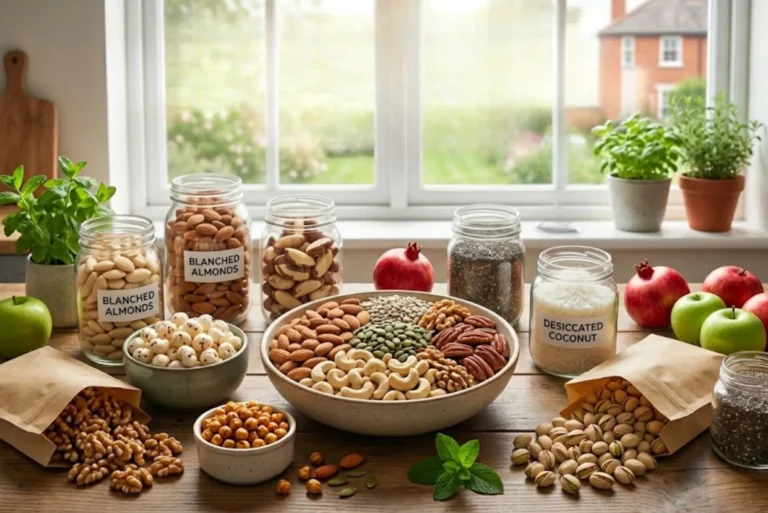
Store in Airtight Containers
Proper storage helps protect ingredients from moisture and air exposure.
Keep Away from Heat and Sunlight
Cool, dry storage conditions help extend shelf life and preserve freshness.
Use Smaller Quantities Regularly
Buying manageable quantities and rotating ingredients regularly can help maintain quality.
Many shoppers looking for natural snacks uk ingredients prefer smaller pantry quantities to maintain freshness and reduce waste.
Common Mistakes People Make with Indian Snack Ingredients
Using the Wrong Flour Type
Different flours create very different textures.
Substituting ingredients may significantly change the final result.
Incorrect Batter Consistency
Batters that are too thick or too thin can affect crispness and frying performance.
Overusing Spices
Too many spices can overpower the natural flavour of lentils and flours.
Balanced seasoning is usually more effective.
Poor Storage Practices
Exposure to moisture or heat can reduce freshness and affect texture quality.
Conclusion
Indian snacks may appear simple, but their flavour and texture depend heavily on carefully selected ingredients. From besan and lentils to rice flour, semolina and traditional spices, these pantry staples form the foundation of many savoury snacks enjoyed across generations.
As interest in authentic Indian cooking continues to grow in the UK, more households are discovering how versatile and important these traditional ingredients are in everyday cooking.
Whether consumers are searching for healthy snacks uk, exploring natural snacks uk, or ordering indian snacks online uk, traditional Indian pantry ingredients continue to offer flavour, versatility and authentic home-style snacking experiences for modern UK families.