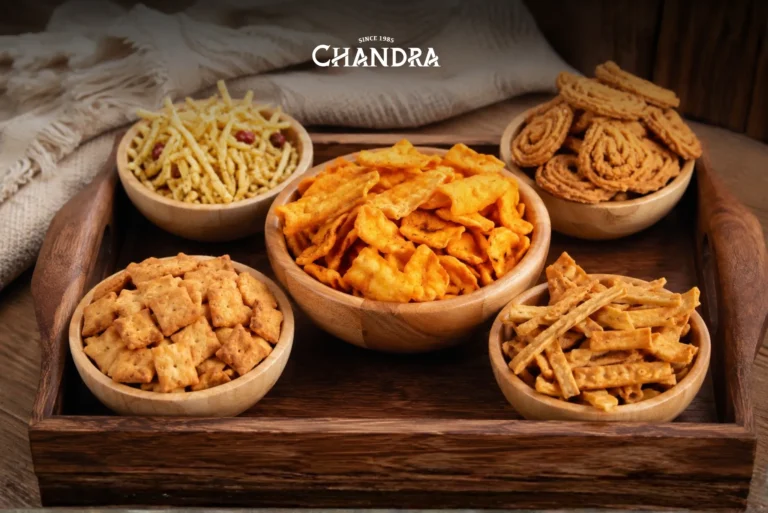


Why “Truly Authentic” Matters More Than Ever
In the UK today, you can find Indian snacks everywhere-from supermarket aisles to boutique delis and online stores. But not every product labelled “Indian” truly earns its place as authentic Indian snacks UK shoppers can trust.
Authenticity is more than a flavour profile. It is about the ingredients used, the spices chosen, the cooking techniques followed, and the way regional traditions-like Gujarati farsan-are respected rather than simplified. When those elements come together properly, you taste more than a snack; you taste a story.
What “Authentic” Really Means for Indian Snacks
For Indian and especially Gujarati snacks, authenticity usually comes down to three pillars:
- Right ingredients – the correct flours, pulses, fats and fresh elements.
- Right spices – used in the right form, in the right stage of cooking.
- Right techniques – fermentation, frying, steaming or baking done with care, not shortcuts.
Authentic snacks feel rooted in a region: fafda with its gram flour and carom seeds, dhokla with its fermented batter, chakri with its layered crunch, chevdo with carefully balanced spice and sweetness.
The Building Blocks: Flours, Pulses and Fats
Most traditional Indian and Gujarati snacks start with very specific base ingredients. When these are swapped for cheaper or heavily refined substitutes, you lose authenticity.
Key bases in authentic snacks
- Gram flour (besan): Essential for fafda, sev, dhokla, khandvi and many farsan items.
- Rice and lentil batters: Used in handvo, khatta dhokla and other steamed or baked snacks-fermented for flavour and digestibility.
- Coarsely ground grains: Traditional recipes often use coarser flours or mixed grains for texture and bite, rather than ultra‑fine refined flour alone.
- Ghee and quality oils: Authentic recipes rely on good ghee or stable frying oils, with careful control of temperature so snacks are crisp, not greasy.
When you pick up authentic Indian snacks UK online or in-store, the ingredient list should look familiar: besan, rice or lentils, spices, maybe a touch of sugar-not a long line of additives and fillers.
Spices: The Signature of Real Indian Snacks
Indian snacks are defined by their spice work. It’s not about throwing in chilli powder at the end; it’s about how spices are treated from the very first step.
Core spice techniques
- Tadka / vaghar (tempering): Whole mustard seeds, cumin, sesame, curry leaves and asafoetida are bloomed in hot oil and poured over dhokla, khandvi and other snacks to add aroma and depth.
- Toasting and roasting: Cumin, coriander, ajwain and fenugreek are often dry‑roasted or fried to release their essential oils before being ground or mixed into doughs.
- Balanced blends: Chaat masala, garam masala and regional spice mixes are used in small, precise amounts to lift flavour without overpowering the base ingredients.
In authentic snacks, spices are aromatic and layered: cumin’s earthiness, coriander’s citrus, chilli’s heat, turmeric’s warmth, and a gentle sweetness or tang when the region demands it-as in many Gujarati snacks, which famously balance sweet, sour and savoury.
Techniques That Separate Authentic From Imitation
Two snacks can share the same ingredient list and still taste completely different. Technique is often where authenticity really shows.
Examples of authentic methods
- Fermentation: Proper dhokla, handvo and some idli‑style snacks rely on naturally fermented batters that are left to rise, not rushed with excessive shortcuts. This affects flavour, texture and digestibility.
- Slow frying: Fafda, chakri, chorafali and chevdo are fried at carefully controlled temperatures so they become crisp and light-not dark, oily or tough.
- Rolling and shaping by hand: Khandvi rolls, patra slices, chakri spirals and other shapes are traditionally done by hand for precise thickness and texture.
- Layering and resting: Some snacks-like pharsi puri or mathri-style items-use resting, layering and slow rolling to create their signature flaky bite.
When a snack tastes like something that could have come straight from a home kitchen in Gujarat or another region, that is usually a sign these small but important steps have been respected.
What Makes Gujarati Snacks So Distinctive?
Gujarati snacks (farsan) have their own personality within the wider Indian snacking world. They are known for:
- Flavour balance: A gentle sweetness with savoury and tangy notes-think fafda with jalebi, sweet‑spiced chevdo, or slightly sweet dhokla tempering.
- Texture play: Soft dhokla with crackling mustard seeds, crisp fafda with chutney, delicate khandvi rolls with coconut and coriander.
- Everyday versatility: Many farsan items work as breakfast, tea‑time snacks or side dishes in a larger meal.
For UK shoppers seeking truly authentic Indian snacks UK with a Gujarati soul, look for farsan that still follows these traditional cues, rather than generic “spicy mix” blends with no clear regional identity.
How to Spot Authentic Indian Snacks in the UK
When you’re browsing indian snacks uk online or on shelves, a few quick checks can help:
- Ingredient list: Short, recognisable ingredients like gram flour, rice, lentils, spices and modest sugar-not a long list of stabilisers and artificial flavourings.
- Regional naming: Products that proudly call out styles like fafda, chevdo, chakri, dhokla, handvo or Gujarati mix usually reflect genuine culinary roots.
- Brand story: Brands that highlight heritage, family recipes or decades of craft are more likely to respect authentic methods.
- Texture and aroma: When you open the pack, authentic snacks should smell of real spices and feel crisp or soft in the way the style intends-not stale, overly hard or oily.
Where Chandra Foods Fits in the “Authentic Indian Snacks UK” Space
For over 40 years, Chandra Foods has positioned itself around one simple idea: bringing authentic Indian flavours to homes across the UK. The brand began as a family business in London in 1985 and still focuses on traditional recipes, carefully chosen ingredients and time‑tested techniques.
Its range covers:
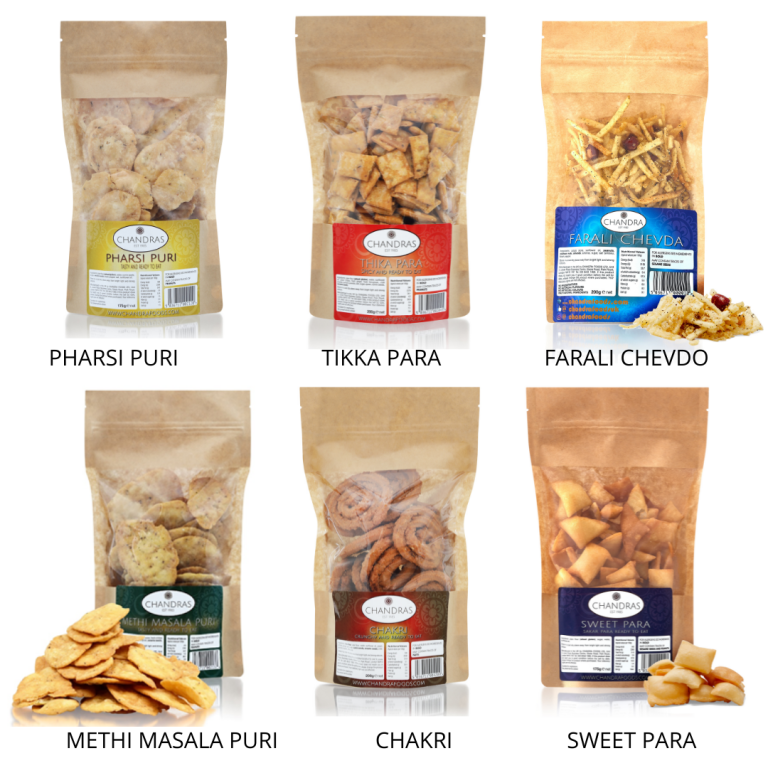
- Classic Indian and Gujarati namkeen such as chakri, para, chevdo and pani puri shells.
- Farsan‑inspired snacks that echo the textures and flavour balance you’d expect from a Gujarati tea‑time spread.
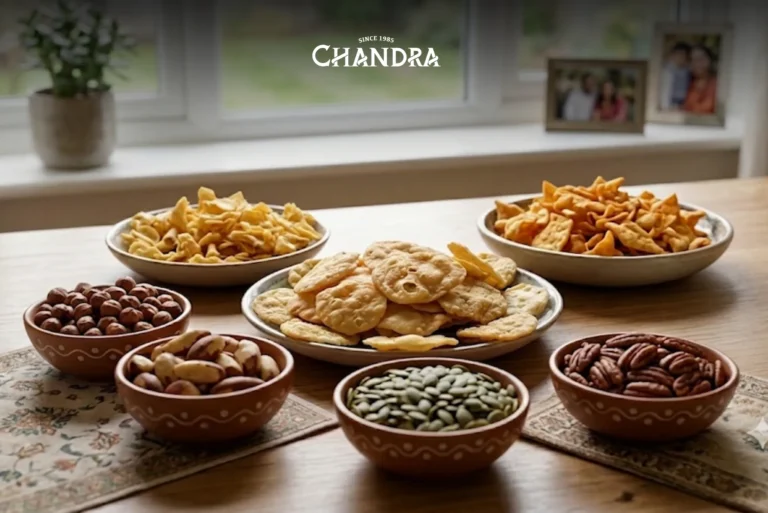
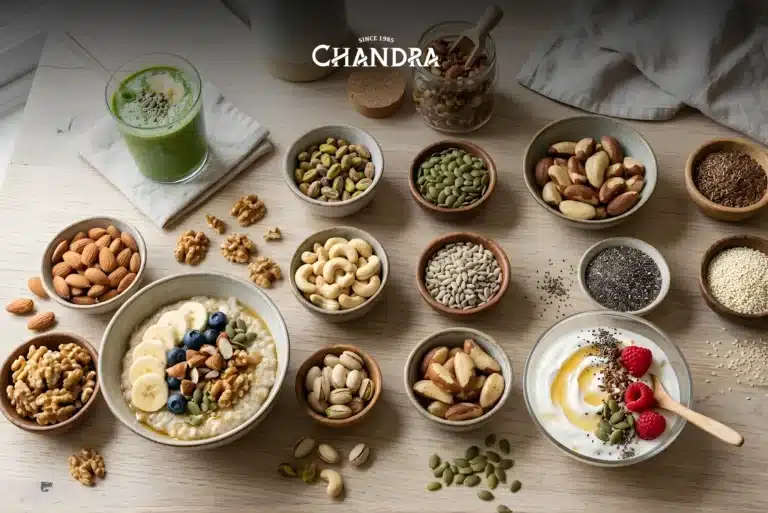
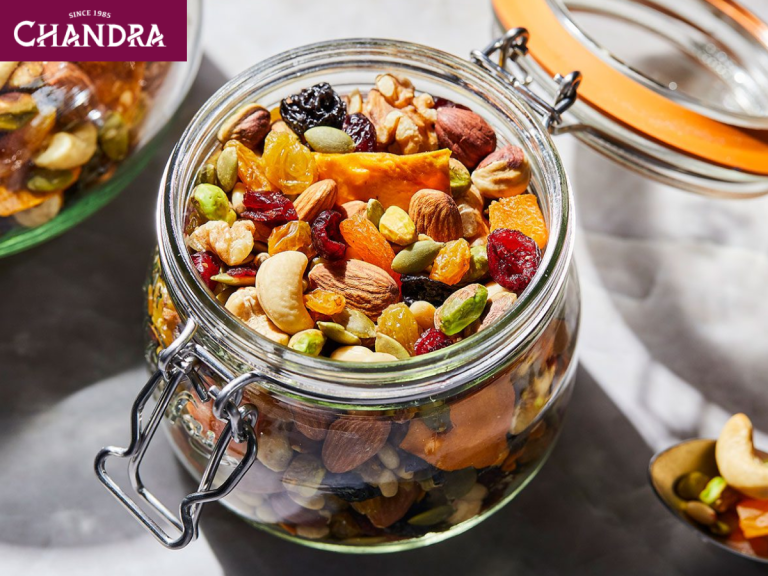
- Pantry‑ready nuts, seeds and dried fruits that pair naturally with Indian snacking culture.
For UK shoppers searching for authentic Indian snacks UK with a clear Indian and Gujarati positioning, brands like Chandra-rooted in family heritage and long-term craft-offer a bridge between the snacks people remember from home and the convenience of the modern UK market.
Final Bite: Authenticity You Can Taste
An authentic Indian snack is not defined by its packaging or marketing, but by its foundations: the right flours and pulses, the right spices treated with respect, and the right techniques passed down through kitchens over generations.
For anyone in the UK trying to choose wisely, look for snacks that sound like they could have come from a real Indian or Gujarati home-and from a brand that treats authenticity as a responsibility, not a label. That is where you’ll find indian snacks uk that genuinely earn the word “authentic.”