Pre-made snack boxes are convenient, but they’re built with the average customer in mind, not you specifically. If you know you always finish the sev first and never touch the boondi, or you’d take three packs of gathiya over one of everything else, a fixed combo can start to feel like a compromise rather than a treat. That’s where building your own box comes in – picking exactly what goes in, in exactly the proportions you actually want.
This guide walks through how to put together a proper Indian snack box UK shoppers can genuinely call their own, covering the main snack categories worth choosing from, how to balance a box so it doesn’t end up one-note, and a few practical tips for getting the mix right the first time.
Why Building Your Own Box Makes Sense
Ready-made combos exist for a reason – they’re quick, they’re balanced for a general audience, and they take the decision-making out of ordering. But they also assume everyone likes roughly the same things in roughly the same amounts, which isn’t always true.
Some people want everything spicy. Others can’t handle much heat at all and would rather load up on milder options like papdi or khakhra. Some households go through sev at twice the rate of anything else and end up with unopened bags of things nobody’s reaching for. Building your own box solves all of this in one go – you decide the mix, the quantities, and the balance of textures and spice levels, based on what you and the people you’re feeding actually eat.
It’s also a genuinely useful approach for gifting, since a custom box built around what you know the recipient likes tends to land better than a generic hamper, even a well put-together one.
Step One: Decide on Your Base Categories
Before picking specific snacks, it helps to think in terms of broad categories, since most well-balanced boxes end up covering more than one.
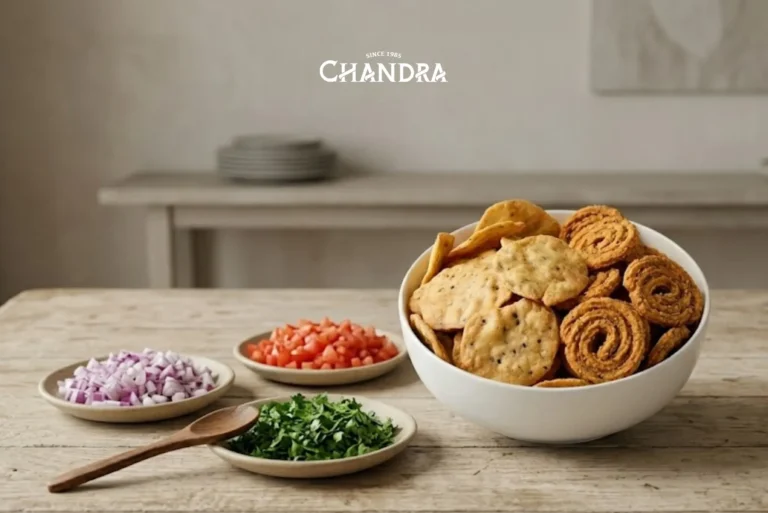
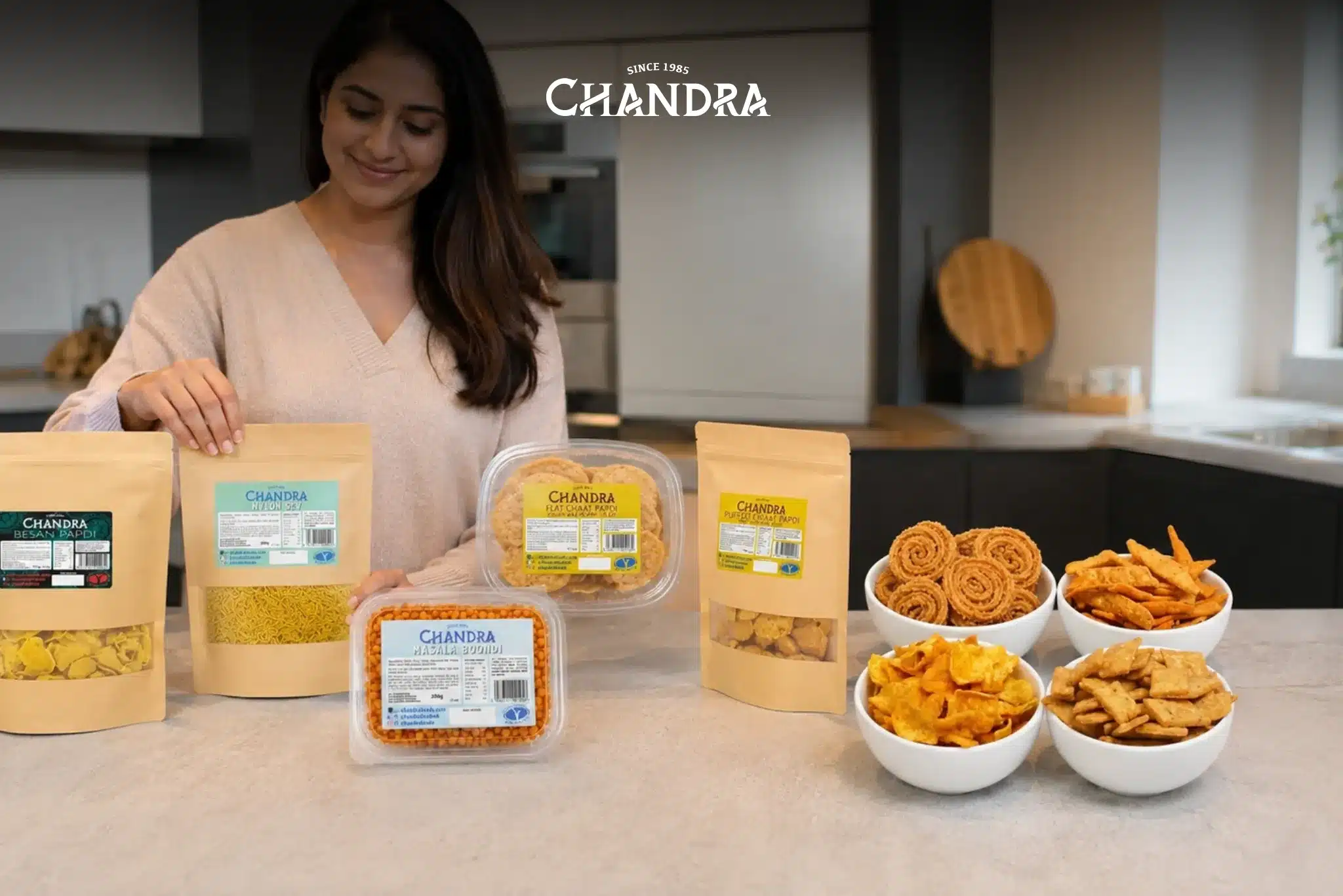
Crunchy, thin snacks – this is where sev sits, along with chakri and boondi. These tend to be the most universally liked category and are a sensible starting point for any box. A look through the sev range on its own shows just how much variation exists here, from delicate nylon sev to spicier Ratlami sev.
Denser, ridged snacks – gathiya falls into this group, along with para. These have more bite and a stronger flavour profile than thinner snacks like sev, and they tend to satisfy a bit more per handful. Browsing gathiya varieties is worth doing separately from sev, since the spice range and texture differ more than people expect.
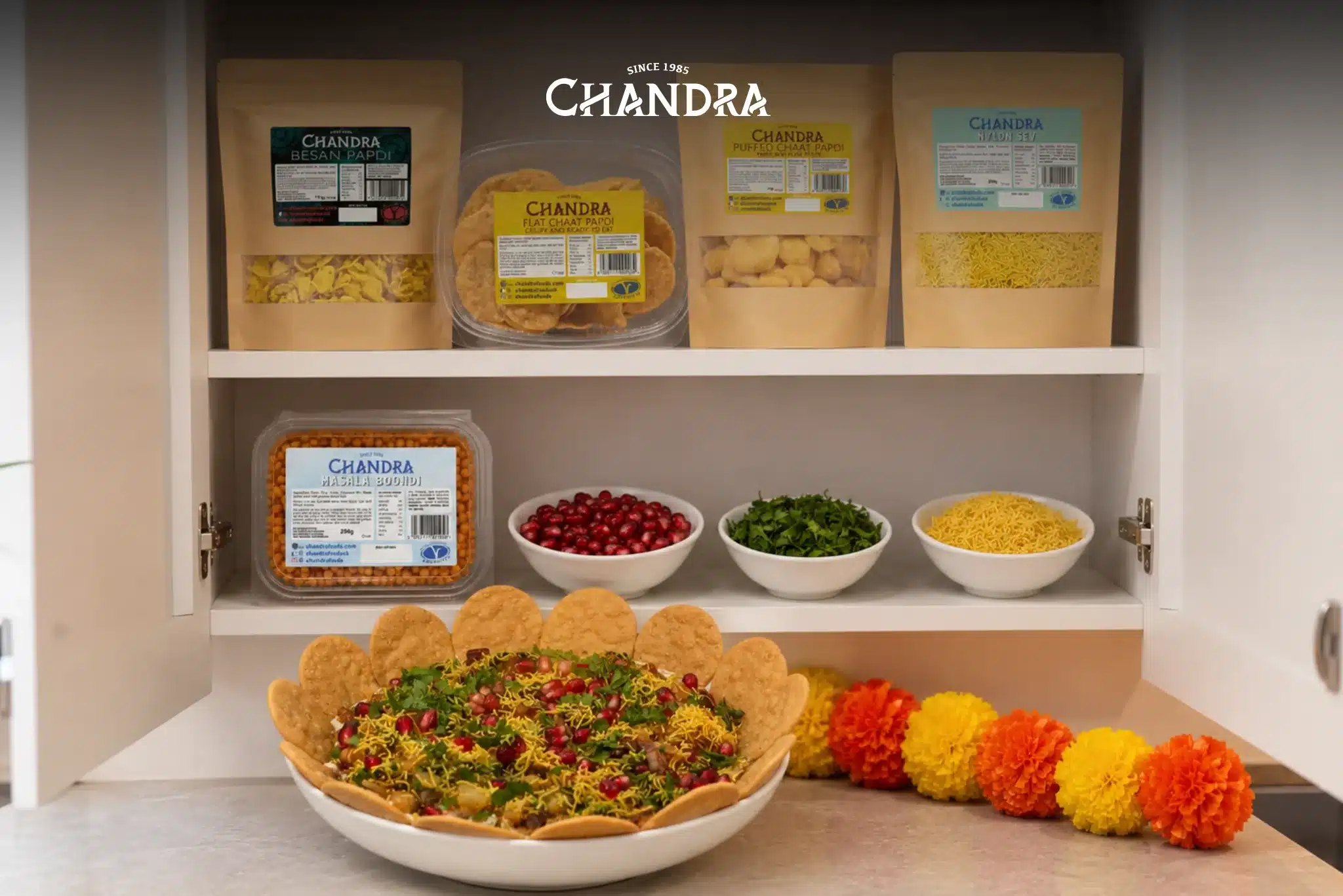
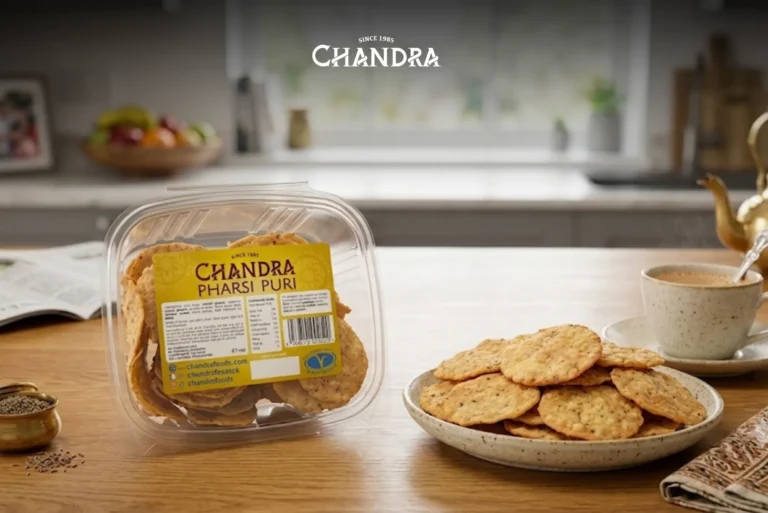
Flat and layered snacks – papdi and pharsi puri sit here, offering a different kind of crunch that works particularly well if the box is going to double as chaat ingredients later. A papdi selection is worth including even if chaat isn’t the primary plan, simply because the texture adds variety that thinner snacks don’t provide on their own.
Small, bite-sized snacks – boondi is the main one here, useful both as a standalone nibble and as a chaat ingredient. A boondi pack rounds out a box nicely without taking up much space, since it’s usually eaten in smaller quantities than the larger snacks.
Spiral and shaped snacks – chakri brings a different visual and textural element to a box, and its spiral shape means it snacks a little differently than flat or ridged options. A pack of chakri is a good addition if you want the box to feel a bit more varied rather than dominated by flat, ridged, or thin snacks alone.
Regional specialities – for anyone who wants their box to lean more specifically into Gujarati snacking traditions, browsing the dedicated Gujarati snacks range is worth doing before finalising your selection, since it groups together several of the above categories in one place and can help spot anything you might have missed.
Step Two: Think About Spice Level Across the Box
One of the easiest mistakes when building a custom box is loading it entirely with one spice intensity. A box that’s uniformly mild can feel a bit flat after the first few handfuls, while a box that’s entirely fiery can be genuinely hard to get through, especially if it’s meant to be shared.
A more balanced approach usually looks like a mix: one or two milder snacks, such as plain papdi or standard sev, a couple of medium options like regular gathiya, and one or two spicier items, such as Bhavnagari gathiya or Ratlami sev, for anyone who wants the extra heat. This way, the box works whether you’re snacking solo or sharing with people who have different spice tolerances.
Step Three: Decide If You Want Chaat-Ready Ingredients
If part of the appeal of building your own box is being able to make dishes like sev puri, bhel puri, or pani puri at home, it’s worth planning the selection with that in mind rather than purely for standalone snacking.
For this, papdi, sev, and boondi become more central to the mix, since they’re the core building blocks for most home chaat. Browsing the chaat snacks category specifically is a good way to make sure you’ve covered the essentials – puris, chutney bases, and the toppings that pull a proper chaat spread together – rather than assembling a box that’s better suited to plain snacking than to actually cooking with.
Step Four: Decide on Quantities
Once you’ve picked your categories, quantity matters almost as much as selection. A common mistake is treating every snack equally, buying the same amount of each regardless of how much you’ll actually get through.
Instead, it’s worth thinking about which snacks are likely to disappear fastest in your household and weighting the order accordingly. If sev always goes first, buy more of it and less of something that tends to linger. If gathiya is the household favourite, there’s no real benefit to matching its quantity to a snack nobody reaches for as often. This is really where a custom box beats a fixed combo – you’re not stuck with equal portions of things you don’t equally want.
Step Five: Consider Buying in Bulk If You’re Building Regularly
If you find yourself putting together a custom box on a semi-regular basis, ordering some components in larger quantities can work out considerably more cost-effective than reordering small packs each time. A bulk or multi-buy option is worth looking at for whichever snacks make up the backbone of your usual mix, particularly staples like sev or gathiya that tend to get used up quickest.
When a Ready-Made Combo Still Makes Sense
Building your own box isn’t always the right call, and it’s worth being honest about when a pre-made option is simply more practical. If you’re ordering at short notice, gifting to someone whose preferences you don’t know well, or you’d genuinely rather not spend time picking individual items, a combo like the Best of Chandra Combo already covers a sensible, well-balanced spread without any of the planning above.
The two approaches aren’t mutually exclusive, either – some people use a ready-made combo as their base and then top it up with an extra pack or two of whatever they know they’ll want more of, which is a reasonable middle ground if you don’t want to build a box entirely from scratch every time.
A Few Example Combinations to Start From
If you’re not sure where to begin, it can help to see how a few different priorities translate into an actual box.
The everyday household mix leans on the basics people reach for most often – a larger pack of sev, a medium pack of gathiya, and a smaller pack of papdi for variety. Nothing too spicy, nothing too niche, just the snacks that get finished quickest without much thought.
The spice-lover’s box shifts the balance toward Ratlami sev and Bhavnagari gathiya, with chakri added for extra crunch and heat. This works well for households where mild snacks tend to go untouched while anything spicier disappears within a day or two.
The chaat-ready box prioritises papdi, sev, and boondi in roughly equal amounts, since these three are the backbone of most home chaat recipes. A smaller addition of chakri or gathiya rounds it out for standalone snacking between chaat-making sessions.
The sharing or gifting box aims for broader appeal rather than personal preference, mixing milder options like papdi and plain sev with just one or two spicier additions, so there’s something for most tastes without leaning too hard in either direction.
None of these need to be followed exactly – they’re really just starting points to adjust from once you’ve got a sense of what your own household actually finishes first.
A Few Practical Tips for Building Your Box
Start smaller than you think you need. It’s easy to overestimate how much variety you actually want. A box with four or five well-chosen snacks, in sensible quantities, tends to work better than one padded out with eight or nine items just for the sake of variety.
Keep spice balance in mind, not just flavour. Two snacks can taste completely different while sitting at a similar spice level, which can make a box feel repetitive even with plenty of variety on paper. Checking spice level alongside flavour helps avoid this.
Store everything properly once it arrives. Airtight containers, kept away from heat and moisture, keep crunchy snacks like sev, chakri, and papdi fresher for much longer than leaving them in their original packaging in a warm cupboard.
Reassess your mix every few orders. Tastes shift, and what worked as a favourite combination a few months ago might not reflect what you’re actually reaching for now. It’s worth adjusting the build occasionally rather than defaulting to the same list every time.
Making the Box Genuinely Your Own
The real advantage of building your own Indian snack box isn’t just variety – it’s that the end result actually matches how you snack, rather than an average built for a general audience. Whether that means leaning heavily into spicier options, prioritising chaat-ready ingredients, or simply buying more of the one snack everyone in the house fights over, a custom build gets you there in a way a fixed combo generally can’t.
For anyone ready to start putting one together, browsing the full Chandra Foods snack range category by category is the easiest way to see what’s available before deciding on your final mix.
Frequently Asked Questions
- What snacks should I include in a basic custom Indian snack box?
- A good starting point includes sev, gathiya, papdi and boondi. These four categories provide a variety of textures and can also be used as ingredients for homemade chaat.
- How do I balance spice levels when building my own box?
- Aim for variety rather than making everything equally spicy. Include a couple of mild snacks, some medium-spiced options and one or two hotter choices to create a more balanced selection.
- Is it cheaper to build my own box or buy a ready-made combo?
- It depends on how much you order and how often you buy. Purchasing individual snacks in larger quantities can be cost-effective for regular orders, while a ready-made combo can be more convenient and offer good value for occasional purchases.
- Can I build a box specifically for making chaat at home?
- Yes. Papdi, sev and boondi are useful core ingredients for homemade chaat and can be used in dishes such as sev puri and bhel puri.
- How should I store a custom snack box once it arrives?
- Keep individual snacks in airtight containers and store them away from heat and moisture. This helps snacks such as sev, chakri and papdi retain their crisp texture for longer.
- Should I always buy equal amounts of each snack in my box?
- No. You can adjust quantities according to your household’s preferences. Buying more of the snacks that disappear quickly and less of the ones that tend to remain unfinished can make your custom box more practical.
Shop the Products Mentioned in This Guide
You can order bhel puri mix, boondi and nylon sev from Chandra Foods, with free UK delivery on orders over £40.