
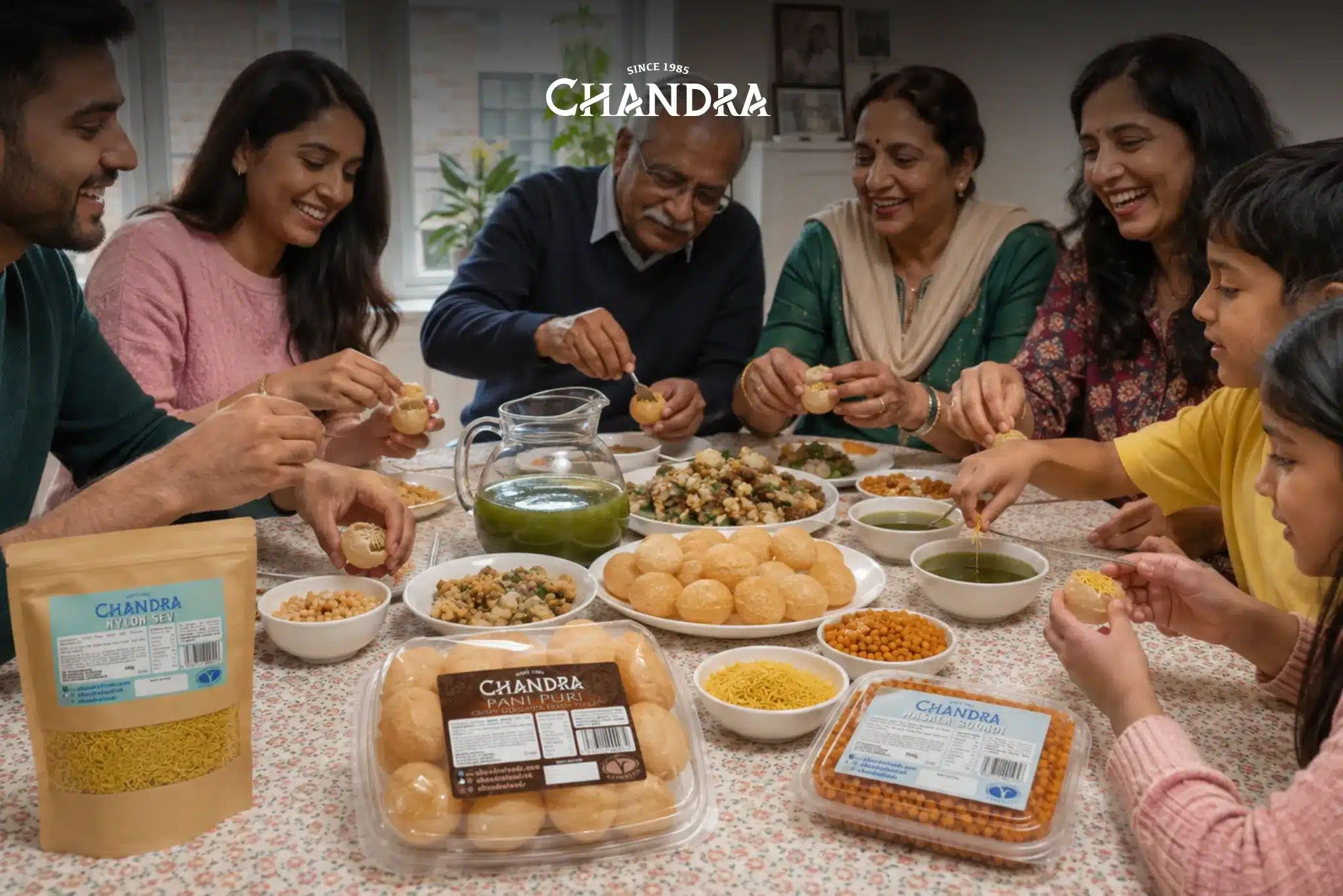
There is a particular kind of energy that comes from a pani puri night. Everyone gathers around the same table, hands get a little messy, and nobody is quite sitting down properly because the whole point is to keep moving between the puris, the pani, and whatever else is on the spread. If you are planning to host something like this at home in the UK, pani puri is a brilliant centrepiece, but it works even better when it is part of a wider Indian street-food setup rather than standing alone.
This guide is about building that fuller spread. Not just the pani puri itself, but the extra elements around it that turn a simple snack into a proper party.
Why Pani Puri Works So Well for a Party
Most party food falls into one of two categories: things you plate up in advance, or things people help themselves to. Pani puri sits firmly in the second camp, and that is exactly why it works so well socially.
Guests fill their own puris, choose how much pani they want, and decide on the spot whether they are going mild or spicy. There is no serving order, no waiting for a course to finish, and no awkward silence while everyone eats the same thing at the same pace. People drift over, have a few, chat, then come back later for more. It is closer to a snack table than a sit-down meal, which makes it ideal for casual get-togethers, birthdays, or just a weekend when friends are over.
The one thing to plan for is that pani puri alone can feel a bit repetitive after the first ten minutes. However much people enjoy it, eating the same puri, filling, and pani combination on repeat tends to lose its excitement quickly, and that is exactly where building out a proper spread comes in. Think of pani puri as the anchor of the evening rather than the whole menu, with a few other dishes around it that give people reasons to keep coming back to the table.
This is also closer to how street food actually works in India. A single stall rarely does just one thing. Walk down any lane with a pani puri cart and you will usually find bhel, papdi chaat, or sev puri being sold from the same setup or the one next door. Recreating that variety, even in a smaller way, is what makes a home version feel like an actual street-food evening rather than a single snack served at a party.
Start with the Pani Puri Station
The centrepiece of the evening should still get the most attention. A good pani puri station needs:
- Puri shells, kept in a dry, covered container so they stay crisp
- A bowl of spiced potato and chickpea filling
- At least one jug of chilled pani, ideally two if you want to offer a mild and a spicy option
- Sev for topping
- Green chutney and tamarind chutney on the side
Set this up as a self-serve station rather than something you hand out plate by plate. A small table or a clear section of the kitchen counter works well, with everything within arm’s reach so people are not crowding around one spot.
If assembling all of this from scratch feels like a lot of prep for one evening, a ready-made option takes care of the puris and core ingredients in one go. The Family Pani Puri Combo is built for exactly this kind of setup, which frees up your time to focus on the rest of the spread instead of chasing down individual ingredients.
Bring in a Papdi Chaat Section
Once the pani puri station is sorted, papdi chaat is a natural next addition. It shares a lot of the same base ingredients, spiced potatoes, sev, and chutneys, so you are not duplicating much work, but it gives guests a completely different eating experience.
Papdi are flat, crisp discs, and unlike puris, they are not hollow, so they get layered rather than filled. A typical papdi chaat plate includes the papdi topped with potato, chickpeas, yoghurt, both chutneys, and a scattering of sev and sometimes pomegranate seeds. It is heavier and creamier than pani puri, which makes it a good contrast on the table.
Rather than making a separate batch of papdi and figuring out proportions from scratch, the Papdi Chaat Combo gives you what you need to set this section up without much extra thought, sitting comfortably alongside your pani puri station.
Add Something Crunchy and Spicy
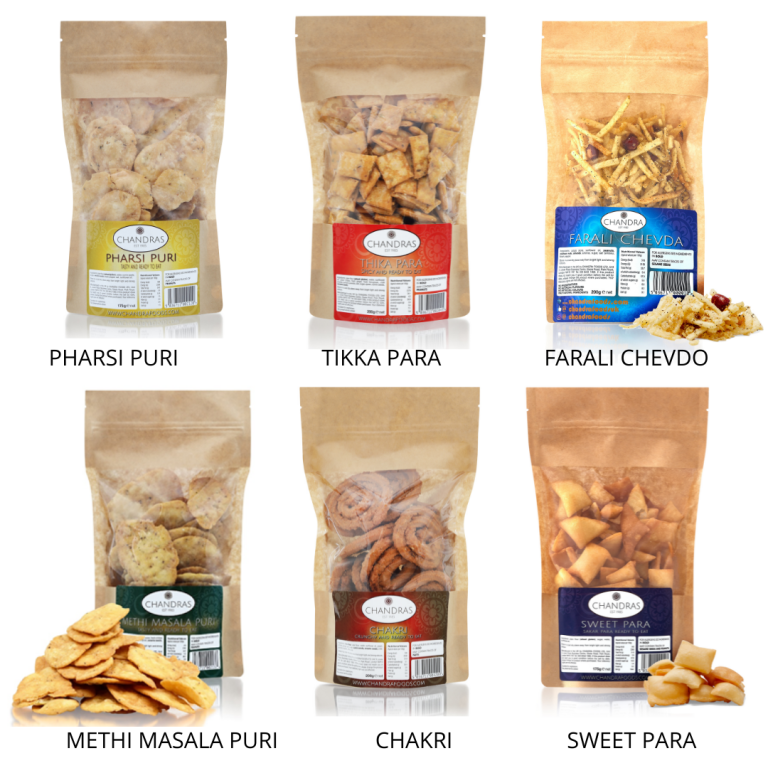
A chaat spread benefits from having something dry and crunchy that people can pick at between the wetter dishes. This is where traditional Indian namkeen earns its place on the table. Think sev, gathiya, chakri, and other fried savoury mixes that people are used to snacking on with tea or just on their own.
Having a bowl or two of spicy, crunchy snacks scattered around the room, not just on the main table, keeps people snacking even when they are not actively at the pani puri station. It also gives guests who might find pani puri too spicy or too messy something else to reach for.
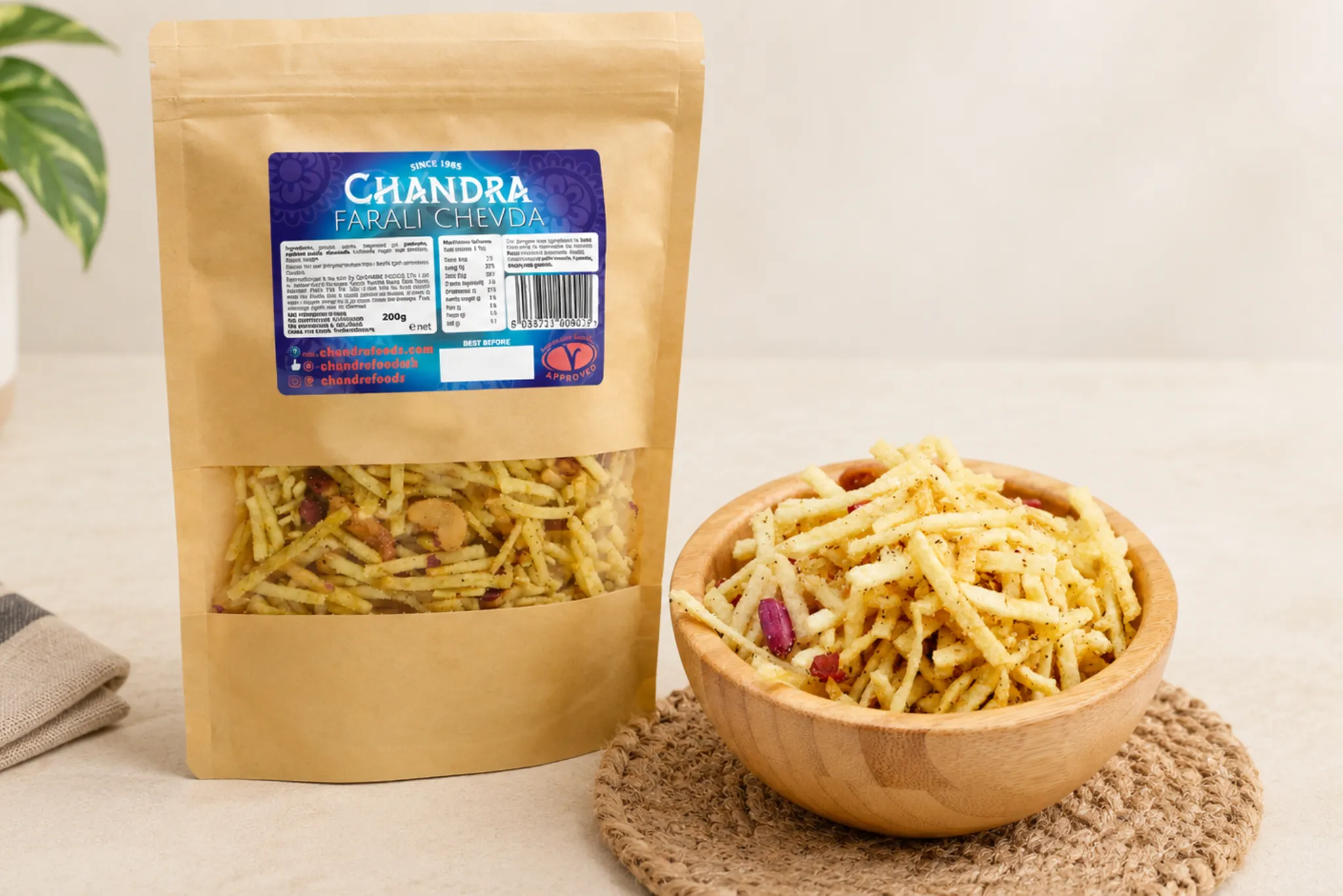
If you want a mix of textures and flavours without putting together six separate small bowls yourself, the Spicy Crunch Combo covers this well, bringing together a few different traditional snacks in one go so you are not left guessing what pairs with what.
Round It Off with Something Sweet
Indian street food spreads rarely end on something savoury. A small sweet element at the end balances out the heat and gives the evening a natural close. This does not need to be elaborate. A simple bowl of jaggery-based sweets, or something as straightforward as fruit and a light dessert, works fine.
If your gathering tends to wind down with tea, which is common after a spicy spread like this, having a few lighter snacks set aside specifically for that stage helps guests transition naturally from the main event to a calmer, seated part of the evening.
It also helps to think of this closing stage as a deliberate shift rather than an afterthought. Moving people from a standing, self-serve station to a seated area with tea signals that the pace of the evening is changing, and most guests will naturally follow that cue. Setting out cups and a pot of chai a little before you expect people to be finishing at the main table means the transition happens smoothly rather than everyone standing around once the savoury food runs low.
Planning for a Bigger Group
If you are hosting more than six or seven people, a few small adjustments make the evening run more smoothly.
Double up on pani. This is almost always the first thing to run out, since people tend to go back for more pani puri before anything else. Keep a spare batch chilling in the fridge so you are not making it fresh mid-party.
Spread stations around the room. If everyone crowds around one table, it slows things down and creates a queue. Splitting the pani puri station and the papdi chaat section into two different areas keeps the flow moving.
Keep the filling at room temperature. Chilled filling straight from the fridge dulls the flavour and makes it harder to mix into the puri quickly. Take it out about half an hour before guests arrive.
Don’t fill puris in advance. However tempting it is to get ahead of things, pre-filled puris go soft within minutes. It is far better to have everything ready separately and let people build their own right before eating.
Think about seating for the sweet course. Since the spicy, self-serve part of the evening naturally winds down, having a seating area ready for the tea and dessert stage gives the party a clear, comfortable ending rather than trailing off awkwardly.
Building a Complete Spread Without Overcomplicating It
The easiest way to think about a pani puri party is in layers: a main station, a secondary chaat option, something dry and crunchy, and a sweet finish. You do not need to make everything from scratch to pull this off well. Sourcing a few ready-made combinations for the trickier components, particularly the puri shells and the spice mixes, means you can focus your energy on the things that actually need fresh preparation, like the pani and the potato filling.
If you would rather have most of the spread sorted in one place instead of piecing it together from several different shops, the Ultimate Chaat Party Combo is designed with exactly this kind of gathering in mind, bringing together a wider mix of chaat essentials so you are not left short on any one section of the table.
For everything else, whether that is sourcing specific spice blends or exploring other traditional Gujarati and Indian snacks to round out the table, Chandra Foods is a good starting point for stocking up before the party.
Frequently Asked Questions
- How much pani puri should I prepare per person?
- A good rule of thumb is six to eight puris per person if pani puri is the main event, or four to five if it is part of a wider spread with papdi chaat and other snacks alongside it. It is always better to have a few extra puri shells on hand, since they store well if unused.
- Can I prepare the pani the day before?
- Yes, and in fact it is often better to. The pani tends to develop a fuller flavour after resting overnight in the fridge, as the spices have more time to infuse. Just give it a good stir before serving, since some settling is normal.
- What if some guests cannot handle spicy food?
- Prepare two versions of pani, one with less green chilli and a touch more sweetness from jaggery, and label them clearly so guests can choose. This is far easier than trying to make one pani that suits everyone.
- Is it possible to keep everything vegetarian?
- Pani puri and the wider chaat spread described here are naturally vegetarian, since the core ingredients are potatoes, chickpeas, spices, and fried snacks. This makes it a straightforward choice if you are hosting a mixed group with different dietary preferences.
- What should I do if the puri shells go soft before the party starts?
- This usually happens if they have been exposed to moisture or left uncovered. Keep them in an airtight container until just before guests arrive, and if a few have softened, a quick few minutes in a low oven can help crisp them back up.
- Can I turn this into a smaller, casual gathering rather than a full party?
- Absolutely. The same layered approach works just as well for a small dinner with two or three friends. Simply scale down the quantities and skip the multiple stations, keeping everything on one table instead.
- How far in advance should I start preparing?
- For a group of six or more, starting the day before with the pani and any spice mixes is sensible, since it takes the pressure off the day itself. The potato filling can be made a few hours ahead and kept at room temperature closer to serving time, while assembly always happens right before eating.
Shop the Products Mentioned in This Guide
You can order bhel puri mix, chakri and pani puri shells from Chandra Foods, with free UK delivery on orders over £40.