“`html
Getting a good night’s sleep can sometimes feel harder than it should. Busy schedules, daily stress, evening screen time and inconsistent routines can all affect how easily we settle down at night. Alongside healthy sleep habits, nutrition is another area worth considering when building a balanced lifestyle.
Among the foods attracting attention for their nutritional value, pumpkin seeds stand out for their magnesium, plant-based protein, healthy fats and tryptophan content. These small green seeds are versatile enough to enjoy throughout the day, including as part of a light evening snack.
Interest in pumpkin seeds sleep UK searches reflects growing curiosity about food-based approaches to everyday wellbeing. Although pumpkin seeds cannot guarantee better sleep, their nutritional profile makes them a useful addition to a varied diet.
So, are pumpkin seeds before bed worth trying? Let’s explore the roles of magnesium and tryptophan, what research can tell us, how to enjoy pumpkin seeds in the evening, and why realistic expectations matter.
Why Sleep Quality Matters More Than You Might Realise
Modern life can make it difficult to maintain a consistent sleep routine. Work commitments, family responsibilities, notifications and late-night screen use can all make switching off more challenging.
Sleep is important for normal physical and mental functioning. When you regularly get insufficient or disrupted sleep, you may notice changes in concentration, mood, energy levels and your ability to manage everyday activities.
Many factors influence sleep, including your environment, daily routine, stress levels, physical activity and overall health. Nutrition also plays a supporting role because the body needs a range of nutrients for normal nervous system function, energy metabolism and other essential processes.
This is where nutrient-rich foods such as pumpkin seeds can fit into a broader approach to wellbeing. They are not a treatment for insomnia, but they can contribute to a balanced eating pattern alongside consistent bedtimes, a comfortable sleeping environment and other healthy habits.
What Makes Pumpkin Seeds Nutritionally Unique?
Pumpkin seeds may be small, but they provide several nutrients in a convenient, versatile form. Unlike snacks that offer limited nutritional variety, pumpkin seeds supply plant-based protein, unsaturated fats, dietary fibre and important minerals.
Magnesium is one of their standout nutrients. It supports normal muscle function, the nervous system and energy metabolism. This makes pumpkin seeds a useful option for people looking to include more magnesium-rich foods in their everyday meals.
Pumpkin seeds also contain tryptophan, an essential amino acid that the body uses to make proteins and other compounds involved in normal physiological processes.
Other nutrients found in pumpkin seeds include zinc, iron and phosphorus. Their exact nutritional content varies according to the product and serving size, so checking the packaging can help you understand what you are eating.
For anyone researching magnesium foods UK shoppers can readily add to their diet, pumpkin seeds offer a practical option. They can be sprinkled over porridge, added to yoghurt, mixed into homemade trail mix or enjoyed on their own.
Their nutritional value also explains why pumpkin seeds sleep UK searches continue to attract interest. However, containing nutrients involved in normal bodily functions does not automatically mean a food will improve sleep directly.
Understanding the Magnesium-Sleep Connection
Magnesium is an essential mineral involved in hundreds of processes throughout the body. It contributes to normal muscle and nervous system function, normal psychological function and the maintenance of normal bones.
Because magnesium is involved in these important functions, it is frequently discussed in relation to relaxation and sleep. However, it is important to distinguish the mineral’s established roles in the body from claims that eating a particular food will make you fall asleep faster.
Research examining magnesium supplementation and sleep has produced mixed findings, and results can vary depending on the people studied and the methods used. There is not enough evidence to conclude that eating pumpkin seeds before bed will reliably improve sleep for everyone.
Getting enough magnesium through a varied diet remains important for general health. Pumpkin seeds can contribute to your overall intake, alongside foods such as whole grains, legumes, leafy green vegetables and other nuts and seeds.
For people looking for magnesium-rich snacks UK households can easily incorporate into everyday routines, a small serving of pumpkin seeds is one convenient choice. They provide magnesium alongside other nutrients rather than relying on a single isolated ingredient.
The Tryptophan Factor: An Essential Amino Acid
Tryptophan is an essential amino acid, which means the body must obtain it from food. It is needed to build proteins and is also involved in pathways that produce serotonin and melatonin.
Serotonin has several functions in the body, while melatonin plays an important role in regulating the sleep-wake cycle. However, eating a food containing tryptophan does not mean that the body will automatically produce enough additional melatonin to change your sleep patterns.
Foods containing tryptophan can form part of a balanced diet. Examples of tryptophan-rich foods for sleep discussions include:
- Pumpkin seeds
- Oats
- Dairy products
- Legumes, including beans and lentils
- Poultry
Pumpkin seeds are particularly interesting because they contain tryptophan alongside magnesium, protein and healthy fats. This combination makes them a nutritious ingredient, although the evidence does not establish that the combination has a specific sleep-enhancing effect.
Understanding these nutritional roles helps put pumpkin seed benefits for sleep into perspective. Pumpkin seeds can contribute useful nutrients to your diet, but they should not be treated as a guaranteed solution for restless nights.
Why Magnesium and Tryptophan Matter in a Balanced Diet
Nutrition is best understood as a whole rather than as a collection of individual ingredients expected to produce immediate results. Magnesium and tryptophan each have important biological roles, and both can be obtained through a varied diet.
Magnesium contributes to normal nervous system and muscle function, while tryptophan is involved in protein production and pathways associated with serotonin and melatonin. These roles help explain why both nutrients appear in conversations about sleep-supportive nutrition.
However, eating pumpkin seeds does not guarantee that these nutrients will work together to improve sleep. Overall dietary quality, individual nutritional needs, health conditions and everyday habits all matter.
Replacing a less nutritious snack with pumpkin seeds may be a practical way to increase the variety of nutrients in your diet. Compare pumpkin seeds with common evening snacks such as crisps, sugary biscuits or heavily processed desserts. These foods can all fit into a balanced diet, but their nutritional profiles differ.
Pumpkin seeds provide plant-based protein, unsaturated fats and minerals in a convenient serving. That makes them a sensible option for people who enjoy a savoury snack in the evening.
Choosing pumpkin seeds before bed can therefore be part of a balanced routine, provided the serving suits your appetite and does not cause digestive discomfort.
What Does Research Say About Pumpkin Seeds and Sleep?
Sleep research involves many interacting factors, and findings about individual nutrients cannot always be applied directly to whole foods.
Magnesium is essential for normal bodily function, and tryptophan is involved in pathways associated with serotonin and melatonin. Research has explored whether these nutrients may influence sleep-related outcomes, but the evidence does not establish that pumpkin seeds themselves are an effective treatment for sleep problems.
It is also important to distinguish between research on supplements, studies of individual nutrients and research on ordinary food portions. Findings from one type of study do not automatically demonstrate the same effect from eating a handful of pumpkin seeds.
Pumpkin seeds are not a cure for insomnia, and there is no guarantee that eating them at night will help you fall asleep or stay asleep. Persistent sleep difficulties may have several causes, including stress, medication effects, lifestyle factors or underlying health conditions.
A more practical approach is to combine balanced nutrition with habits that support regular sleep. These can include maintaining consistent sleep and wake times, limiting late-evening caffeine, creating a comfortable bedroom environment and allowing time to wind down before bed.
Within this broader approach, pumpkin seeds are best viewed as a nutrient-rich food that can contribute to a balanced diet rather than a quick fix.
How to Eat Pumpkin Seeds for Better Evening Nutrition
Adding pumpkin seeds to your meals does not require complicated preparation. Their mild, nutty flavour works with both sweet and savoury ingredients, making them easy to include in everyday eating habits.
Here are some simple ways to enjoy them:
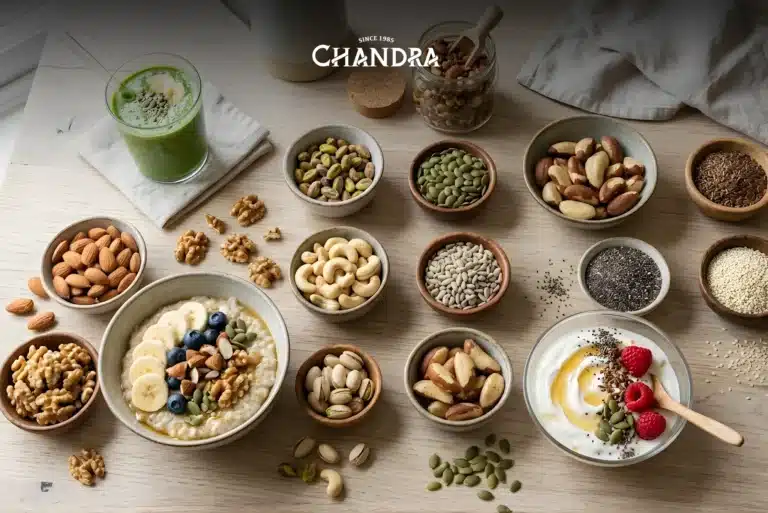
- Sprinkle over yoghurt: Add pumpkin seeds to plain yoghurt with fruit for a convenient snack containing protein, healthy fats and other nutrients.
- Mix into overnight oats: Stir pumpkin seeds into oats before refrigerating them, or sprinkle them on top just before serving.
- Make homemade trail mix: Combine pumpkin seeds with dried fruit and other seeds for a portable snack. Keep portions suited to your appetite.
- Add to porridge: Top a bowl of porridge with pumpkin seeds for extra texture and nutritional variety.
- Blend into smoothies: Add a small amount of pumpkin seeds to a smoothie with milk or a suitable alternative and your preferred fruit.
- Use in savoury dishes: Sprinkle them over salads, soups or roasted vegetables for a little crunch.
These ideas show how foods that support sleep naturally, in the broader sense of contributing useful nutrients to a balanced diet, can fit into everyday routines. None of these combinations should be considered a guaranteed sleep remedy.
The Best Time to Eat Pumpkin Seeds
There is no scientifically established ideal time to eat pumpkin seeds for better sleep. You can enjoy them at breakfast, as a daytime snack or in the evening according to your preferences.
Some people prefer a light snack one to two hours before bed if they feel hungry in the evening. This is a practical preference rather than a proven timing recommendation for pumpkin seeds specifically.
If you enjoy eating them at night, consider these simple combinations:
- Pumpkin seeds and banana: A convenient combination of seeds and fresh fruit.
- Pumpkin seeds and yoghurt: A simple snack that combines protein with the nutrients found in seeds.
- Pumpkin seeds and oats: An easy way to add texture and nutritional variety to porridge or overnight oats.
Pay attention to your own appetite and comfort. A large snack immediately before lying down may not suit everyone, particularly those who experience digestive discomfort or reflux.
Consistency in your overall routine is more important than following an exact clock time for one particular food. If eating pumpkin seeds in the evening fits comfortably into your habits, there is no need to make the timing more complicated.
Other Nutrient-Rich Foods That Pair Well with Pumpkin Seeds
Pumpkin seeds can be combined with a variety of foods to create balanced snacks and meals. Rather than relying on one ingredient, aim for variety across your usual diet.
Oats provide carbohydrates and fibre and can be prepared as porridge or overnight oats. Pumpkin seeds add a pleasant crunch and additional nutrients.
Bananas are convenient, easy to prepare and naturally contain carbohydrates. They pair well with pumpkin seeds in snack bowls and smoothies.
Yoghurt contributes protein and a creamy texture. Adding fruit and seeds creates a versatile snack that can be adjusted to your preferences.
Chia seeds provide fibre, plant-based fats and other nutrients. They can be combined with pumpkin seeds in overnight oats or homemade seed mixes.
Walnuts contain unsaturated fats and work well in breakfast bowls and snack combinations.
These combinations are useful for nutritional variety, but no particular mix has been established as a reliable way to improve sleep. The goal is to enjoy a varied diet that meets your needs and fits your lifestyle.
Common Myths About Sleep Foods
Food and sleep are often discussed together online, but some claims make the relationship sound simpler than it really is.
Myth: One food can instantly solve sleep problems.
No individual food guarantees better sleep. Although nutrients are important for normal bodily function, sleep also depends on daily habits, environment, health and other factors.
Myth: Supplements are always better than food.
Supplements may be appropriate in certain circumstances, but they are not automatically necessary or superior to food. Whole foods can provide a range of nutrients within an overall dietary pattern. Anyone considering supplements for a health concern should seek appropriate professional advice.
Myth: Eating before bed is always harmful.
The effect of an evening snack depends on its size, composition and your individual needs. Some people prefer not to eat close to bedtime, while others find a light snack comfortable. Large meals immediately before lying down may aggravate reflux or digestive discomfort in some people.
Myth: Pumpkin seeds guarantee deeper sleep.
Pumpkin seeds contain useful nutrients, but there is insufficient evidence to promise that eating them before bed will produce deeper or longer sleep.
Understanding these distinctions helps you make sensible food choices without expecting one ingredient to do more than the evidence supports.
Choosing and Storing High-Quality Pumpkin Seeds
Freshness, flavour and storage all affect your experience of eating pumpkin seeds. When choosing a product, look for packaging that is intact and check the ingredient list for added salt, flavourings or other ingredients if you prefer a simpler option.
Plain pumpkin seeds are versatile because they can be used in recipes, added to breakfast bowls or enjoyed as a snack. Roasted varieties offer a different texture and flavour, while raw seeds are another convenient choice.
Store pumpkin seeds according to the instructions on their packaging. An airtight container in a cool, dry place is generally suitable for unopened or frequently used seeds, provided the product label does not specify otherwise. Refrigeration may help preserve freshness for longer storage periods, particularly in warm conditions.
Because seeds contain fats that can become rancid over time, check for changes in smell, flavour or appearance and discard any product that seems spoiled.
Choosing a product you enjoy makes it easier to include pumpkin seeds in your regular meals without turning healthy eating into a complicated task.
Our Premium Pumpkin Seeds for Everyday Nutrition
At Chandra Foods, we believe that everyday eating should be practical, varied and enjoyable.
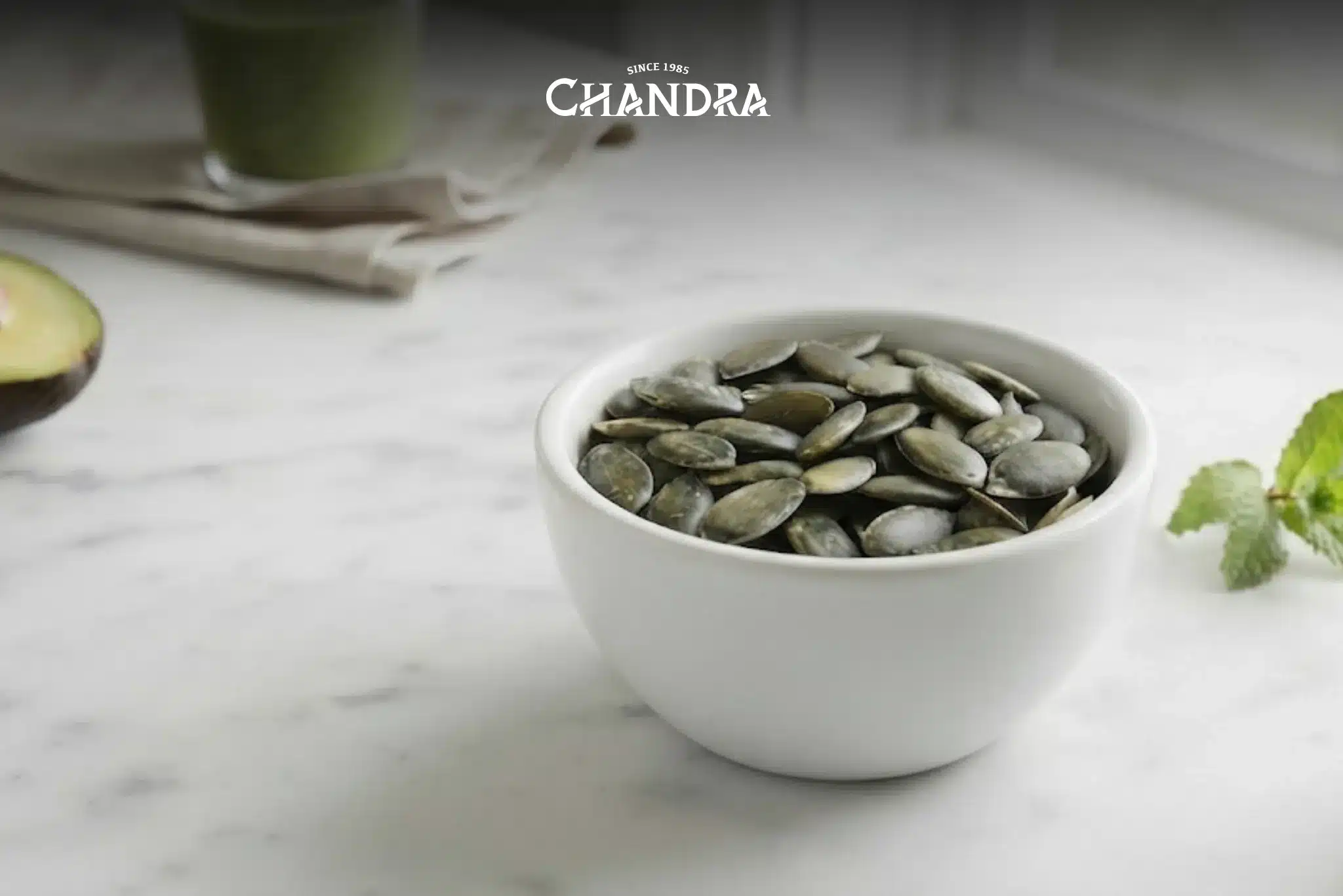
Our premium pumpkin seeds offer a versatile ingredient for home cooking, breakfast bowls and everyday snacking.
You can sprinkle them over porridge, mix them into overnight oats, add them to homemade trail mix or use them to finish salads and other savoury dishes. Their mild flavour makes them easy to combine with ingredients you already have in your kitchen.
For people exploring pumpkin seeds sleep UK nutrition topics, it is worth remembering that pumpkin seeds are a food rather than a sleep treatment. Their value lies in their nutritional contribution and versatility, not in a promise of improved sleep.
Keeping pumpkin seeds in your pantry can make it easier to add variety to your meals throughout the week. Whether you enjoy them during the day or as part of an evening snack, they offer a straightforward way to include more seeds in a balanced diet.
Frequently Asked Questions
Are pumpkin seeds good before bed?
Pumpkin seeds contain magnesium, tryptophan, protein and healthy fats. They can be enjoyed as part of a balanced evening snack, but there is not enough evidence to conclude that eating them before bed directly improves sleep.
How many pumpkin seeds should I eat in the evening?
A small handful, around 28 to 30 grams, is a common serving for adults. The appropriate amount depends on your appetite, dietary needs and what else you eat during the day. Check the product packaging for serving information.
Do pumpkin seeds contain magnesium?
Yes. Pumpkin seeds are a useful dietary source of magnesium. The amount varies depending on the variety, preparation and serving size.
Can pumpkin seeds replace sleep supplements?
Pumpkin seeds are a food, not a sleep supplement or treatment. They can contribute nutrients to your diet, but they should not replace prescribed treatment or professional advice for persistent sleep difficulties.
Are roasted pumpkin seeds as nutritious as raw pumpkin seeds?
Both raw and roasted pumpkin seeds can provide valuable nutrients. Nutritional differences depend on the roasting process and whether salt, oil or other ingredients have been added.
Can children eat pumpkin seeds?
Pumpkin seeds can form part of a balanced diet for children when served in an age-appropriate and safe form. Whole seeds may pose a choking risk for young children, so follow age-appropriate food safety guidance.
Can eating pumpkin seeds every day be part of a healthy diet?
Yes. Pumpkin seeds can be included regularly as part of a varied diet. Consider your overall nutritional needs, serving sizes and any individual dietary restrictions.
When should I eat pumpkin seeds for the best results?
There is no established best time to eat pumpkin seeds for sleep. Enjoy them whenever they fit comfortably into your routine, whether at breakfast, during the day or as part of a light evening snack.
Conclusion: A Simple Addition to Your Evening Routine
Better sleep rarely depends on a single food or dramatic lifestyle change. It is influenced by a combination of daily habits, nutrition, environment and individual health.
Pumpkin seeds provide magnesium, tryptophan, plant-based protein and healthy fats, making them a useful addition to a balanced diet. These nutrients have important roles in the body, but eating pumpkin seeds before bed has not been proven to improve sleep consistently.
Their versatility makes them easy to enjoy in porridge, yoghurt, homemade trail mix and savoury dishes. Choose a serving that suits your appetite and focus on building healthy habits that you can maintain over time.
If you enjoy pumpkin seeds in the evening, they can be a practical addition to your routine. Think of them as one nutritious part of a balanced lifestyle rather than a quick fix for sleep problems.
Shop the Products Mentioned in This Guide
You can order chia seeds and walnut halves from Chandra Foods. Check the website for current delivery charges and free delivery eligibility.
More Guides You May Like
- Magnesium Seeds: Best Seeds for Magnesium in the UK
- 10 Super Healthy Nuts and Seeds to Eat
- 10 Healthiest Nuts and Seeds for Daily Nutrition