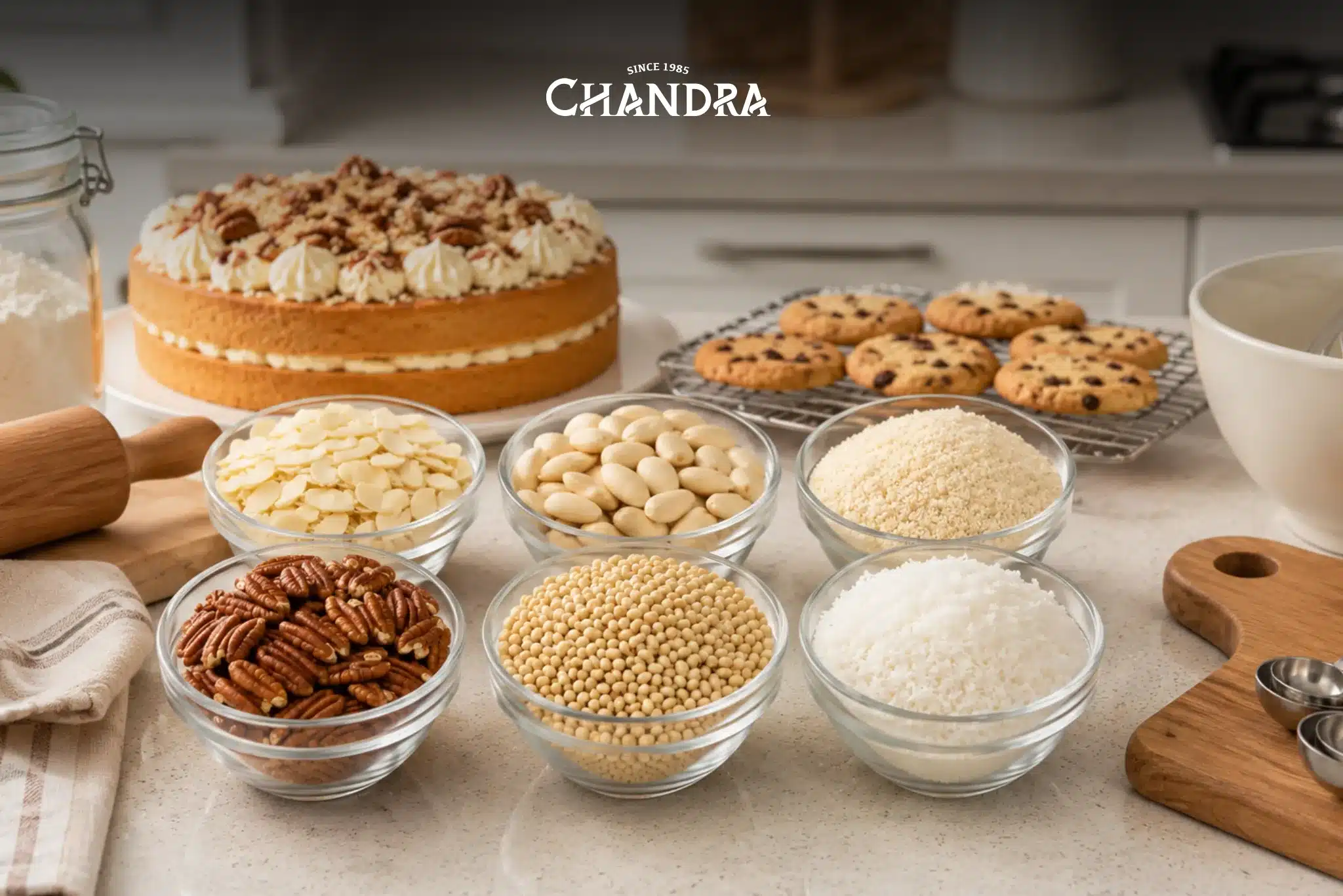
Open most baking recipes and nuts show up somewhere – folded into a banana loaf, scattered over a tray of cookies, ground into flour for a gluten-free sponge, or simply toasted and pressed onto the side of a cake. The trouble is, not every nut behaves the same way once it hits the oven, and stocking the wrong ones (or running out of the right ones halfway through a recipe) is one of the more common reasons home baking goes slightly off track.
If you’re trying to work out exactly which baking nuts UK kitchens actually rely on, rather than just buying whatever’s cheapest at the shop, this guide breaks down the nuts worth keeping stocked, what each one is genuinely good for, and how to build a proper baking cupboard without overbuying things you’ll rarely use.
Why the Right Nut Actually Matters in Baking
It’s tempting to treat nuts as interchangeable in a recipe – swap almonds for cashews, walnuts for pecans, and assume the result will be roughly the same. Sometimes that’s true. Often, it isn’t. Nuts differ quite a bit in fat content, moisture, sweetness, and how they behave under heat, and those differences show up clearly in the final bake.
A nut that’s high in natural oils, like walnuts or pecans, can make a cake noticeably more moist, but too much can also weigh down a lighter sponge. A drier, more neutral nut like almonds holds its shape and crunch better in cookies. Ground nuts used as a flour substitute, particularly almonds, behave completely differently from the same nut left whole or roughly chopped. Understanding these differences is really what separates a recipe that “should work” from one that reliably does.
The Core Nuts Every Baker Should Have
Almonds
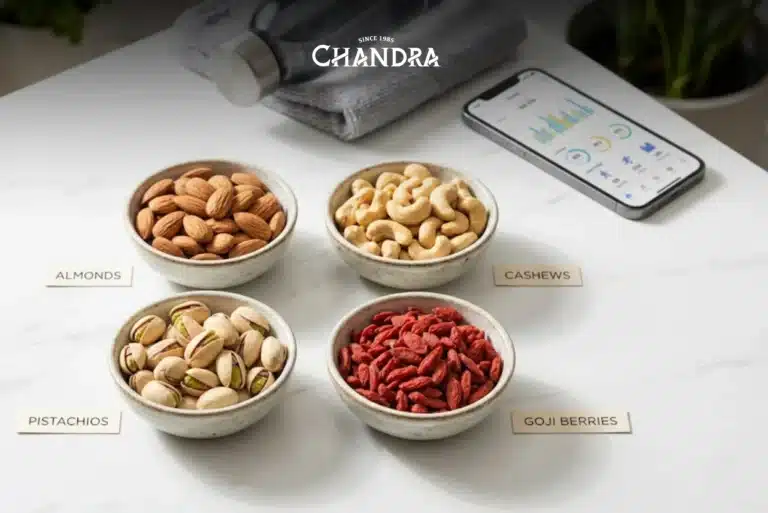
Almonds are probably the single most versatile baking nut, and for good reason. Whole or flaked, they add crunch and a mild, slightly sweet flavour to cakes, biscuits, and traybakes. Ground into flour, they become the backbone of gluten-free baking, giving cakes like Victoria sponges and financiers a dense, moist crumb that regular flour can’t quite replicate. Flaked almonds are also the classic topping for frangipane tarts and Bakewell-style bakes, toasting to a golden colour that adds both flavour and visual appeal. A good stock of almonds, in both whole and flaked form, covers a surprising amount of ground on their own.
Walnuts
Walnuts bring a distinct, slightly bitter, earthy flavour that works particularly well in denser bakes – think banana bread, carrot cake, or coffee and walnut cake, where their flavour is practically part of the recipe’s identity. Their natural oils also contribute to moisture, which is part of why walnut-based bakes tend to stay fresh a little longer than drier alternatives. Roughly chopped walnuts folded through batter, or halves pressed on top before baking, are both common and reliable uses.
Cashews
Cashews are softer and creamier than most other baking nuts, which makes them less common as a crunchy topping and more useful ground down or blended. They work well in no-bake desserts, cashew-based cheesecake fillings, and as a milder alternative to almond flour in recipes that call for a subtler nut flavour. A stock of cashews is worth having if your baking leans toward these softer, blended textures rather than crunchy toppings.
Pecans
Pecans share some similarities with walnuts but are noticeably sweeter and less bitter, which makes them a favourite in American-style baking – pecan pie being the obvious example, but they also work well in cookies, blondies, and as a praline-style topping. Their higher fat content means they toast beautifully, developing a deeper, more caramelised flavour that plain almonds don’t quite achieve. Pecans are worth keeping specifically for recipes where a richer, sweeter nut flavour is the goal.
Hazelnuts
Hazelnuts have a distinctive, slightly toasty flavour that pairs particularly well with chocolate, making them a natural fit for brownies, chocolate torte, and homemade praline. Toasting hazelnuts briefly before use intensifies their flavour considerably and also makes the papery skins easier to rub off, which most recipes call for. A supply of hazelnuts is especially worth having if chocolate-based desserts feature regularly in your baking.
Pine Nuts
Less common in sweet baking but still worth mentioning, pine nuts show up in certain traditional bakes and Mediterranean-style desserts, where their soft texture and mild, slightly resinous flavour add something different to the usual crunch of larger nuts. They’re also more delicate than other nuts and burn quickly under heat, so a close eye during toasting matters more here than with sturdier options like almonds or pecans. Pine nuts are a smaller-quantity staple rather than an everyday one, but useful to have for specific recipes.
Desiccated Coconut
Not a nut botanically, but it sits in the same part of most baking cupboards, and it’s genuinely essential for a wide range of bakes – coconut macaroons, tray bakes, cake toppings, and as a textural addition to biscuits. Its dry, fine texture also makes it useful for absorbing excess moisture in certain recipes, which is a detail that gets overlooked until a bake turns out wetter than expected. Desiccated coconut is worth keeping alongside your main nut stock, even though it’s a slightly different category.
Whole, Chopped, Flaked, or Ground: Why Form Matters
Beyond choosing the right nut, the form it’s in changes how it performs in a recipe. Whole nuts hold the most texture and are usually best for toppings or where visible pieces matter. Chopped nuts fold more easily into batters and distribute more evenly through a bake. Flaked nuts, almonds especially, toast quickly and are ideal for decorative, crunchy toppings. Ground nuts, whether store-bought or blitzed at home, behave more like flour and are essential for gluten-free or dense, moist bakes.
Buying pre-chopped or pre-flaked where a recipe calls for it saves time, but it’s also worth keeping some whole nuts on hand, since chopping or flaking fresh just before baking generally gives a fresher flavour and better texture than pre-processed alternatives that have been sitting for a while.
Getting the Toast Right
Toasting nuts before adding them to a bake is one of the simplest ways to noticeably improve the final flavour, yet it’s a step a lot of home bakers skip. A few minutes in a dry pan or a low oven brings out the natural oils and deepens the flavour considerably, particularly with hazelnuts, pecans, and walnuts.
The key is watching closely rather than trusting a fixed time, since nuts can go from perfectly toasted to burnt within a minute, especially smaller or oilier varieties like pine nuts. Letting toasted nuts cool fully before chopping or folding them into a batter also helps prevent them from melting butter or fat too early in the mixing process.
Storage: The Step Most Bakers Get Wrong
Nuts have a shorter shelf life than most people assume, largely because of their natural oil content. Left in a warm cupboard for too long, they can turn slightly rancid, which shows up as a faintly bitter or “off” taste that’s easy to miss if you’re not specifically looking for it, but which noticeably affects the final bake.
Keeping nuts in an airtight container, away from heat and direct light, extends their usable life considerably. For nuts you don’t use often – pine nuts or specific varieties kept for one particular recipe – the fridge or freezer is a better option than a cupboard, since the cooler temperature slows down the oils turning.
Building a Proper Baking Nut Stock
Rather than buying a single bag whenever a recipe calls for it, it’s worth thinking about your baking cupboard the same way you’d think about a spice rack – a small, well-chosen stock that covers most of what you’re likely to bake, rather than restocking from scratch every time.
A sensible core stock usually includes almonds (whole and flaked), walnuts, and either pecans or hazelnuts depending on your usual bakes, alongside desiccated coconut for the recipes that call for it. From there, more specific nuts like pine nuts or cashews can be added as needed, without needing to keep a large stock of something used only occasionally.
For anyone who’d rather not build this out nut by nut, a ready-put-together Baking Essentials Combo covers the core baking nuts in one order, which is a practical shortcut if you bake regularly and don’t want to be reordering individual bags every few weeks. It’s also worth browsing the dedicated nuts for baking range directly if you have a specific recipe in mind and want to choose exactly which nuts and forms suit it best.
A Few Practical Tips
Don’t substitute nuts blindly. If a recipe specifically calls for almond flour, swapping in a different ground nut can change both the texture and the moisture level of the finished bake more than expected.
Buy in the quantity you’ll actually use. Nuts lose freshness once opened, so a smaller bag used up within a few weeks is often a better choice than a large bulk bag that sits half-finished in the cupboard for months.
Taste before you bake with older stock. If nuts have been sitting for a while, a quick taste test before adding them to a recipe can save an entire bake from an off flavour that’s hard to fix afterwards.
Keep a small “toasting” routine. Even five minutes of toasting before folding nuts into a batter or scattering them as a topping makes a genuinely noticeable difference to the final flavour, and it’s one of the easiest upgrades to a bake.
Stocking the Right Nuts for the Bakes You Actually Make
There’s no single “correct” list of baking nuts everyone needs – it depends entirely on what you bake most often. A dedicated banana bread and carrot cake baker leans heavily on walnuts, while someone focused on gluten-free sponges will go through almond flour far faster than anything else. The best approach is building a small, considered stock around your actual habits, rather than buying everything at once and hoping it all gets used.
For a solid starting point covering the nuts most home bakers reach for again and again, browsing Chandra Foods‘ baking and nuts range is a straightforward way to stock up properly, with quality that holds up whether the nuts are going into a simple traybake or a more involved dessert.
Frequently Asked Questions
- Which nuts are best for gluten-free baking?
- Ground almonds are one of the most widely used options for gluten-free baking. They give cakes and biscuits a dense, moist texture that can be difficult to achieve with other nut flours.
- Do I need to toast nuts before baking with them?
- It’s not strictly necessary, but toasting brings out a deeper flavour, especially with hazelnuts, pecans and walnuts. It’s a simple step that can noticeably improve the flavour of your final bake.
- How should I store baking nuts to keep them fresh?
- Keep them in an airtight container away from heat and direct light. For nuts used only occasionally, storing them in the fridge or freezer can help prevent their natural oils from turning rancid.
- Can I substitute one nut for another in a recipe?
- Sometimes, but not always. Nuts differ in fat content, moisture and flavour strength, so substitutions can affect the texture and taste of a bake, particularly when ground nuts are being used as a flour replacement.
- What’s the difference between flaked and ground almonds in baking?
- Flaked almonds keep their shape and add crunch, making them ideal for toppings. Ground almonds have a flour-like consistency and help add structure and moisture to bakes, particularly gluten-free recipes.
- Is desiccated coconut considered a baking nut?
- No. Desiccated coconut is not botanically a nut, but it is commonly used in a similar way in baking. It can be folded into recipes or used as a topping for macaroons, cakes and coconut traybakes.
Shop the Products Mentioned in This Guide
You can order almond flour and whole almonds from Chandra Foods, with free UK delivery on orders over £40.